Bill's Plumbing and Sewer

Blog / Bill's Plumbing and Sewer Service

Toilet Troubleshooting: Fixing the 3 Most Common Issues

cook county toilet plumber.

There are few things we need in our homes more than toilets, so when one goes down, it's very aggravating. Here are three of the most common issues and how to fix them, and if it's time for a new toilet installation for your Northbrook, IL home, call us at Bill's Plumbing and Sewer.

Three Common Toilet Issues

Constant Running

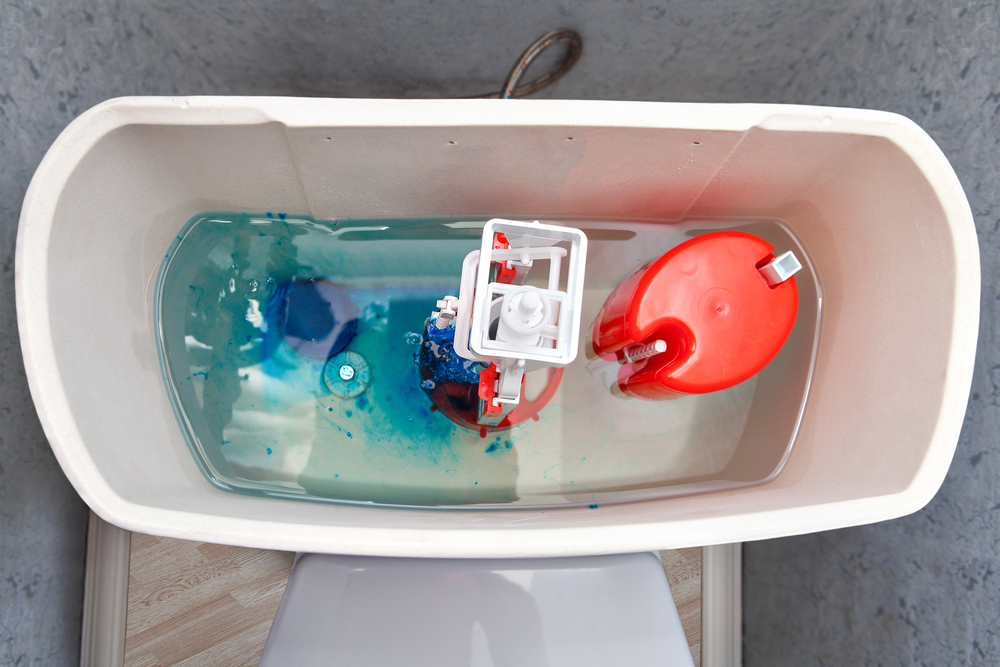
Most of the time, the culprit with a running toilet is a worn-out component inside the tank. It could be a flapper, which is that rubber seal that controls the water flow from the tank into the bowl, or you might have an improperly adjusted fill valve. Occasionally, the issue is that the float is misaligned.

How to Fix

To fix this, first turn off your water supply valve behind the toilet, flush the toilet to drain the tank, and then lift the lid and take a look at the flapper at the bottom. If it looks warped or cracked, gently remove it by detaching the chain from the flush handle arm and sliding it off the overflow tube pegs. Replace the old flapper with a new one.

If that's not the issue, check the fill valve. If water continues trickling even after the tank is full, adjust the float by bending the metal arm slightly downward (for older models) or turning the adjustment screw (newer plastic ones) to lower the water level.

Clogs

Clogs are usually caused by excessive toilet paper or non-flushable items in the toilet. Fortunately, most clogs can be cleared without dismantling anything.

How to Fix 

Get your home a flange plunger. This type has an extended rubber lip and is designed specifically for toilets to create better suction than a standard cup plunger. If the bowl doesn't have enough water in it, then fill it until it covers the plunger head. Position the flange directly over the drain hole and press down firmly to form a seal. Pump vigorously up and down for about 15 to 20 seconds, maintaining the seal to build pressure to dislodge the blockage.

Pull up slowly on the last plunge to avoid splashing and check if the water drains. If it does, flush it once to test it. If not, repeat the process a few times. Don't use chemical drain cleaners on your toilet: they can damage the porcelain or your pipes.

Weak Flushes

Weak flushes are often due to low tank water levels or mineral clogs in the rim holes.

How to Fix

Remove the tank lid and observe the water level; it should sit about an inch below the overflow tube. If it's too low, adjust the float arm or screw to raise it. A loose chain connecting the handle to the flapper can also cause partial lifts, so shorten or lengthen it as needed.

Another possibility is clogs under the rim of the toilet, which can happen if you've got hard water. Use a small mirror to inspect the tiny holes and gently poke each one with a straightened coat hanger or stiff wire to dislodge any buildup.

Get New Toilet Installation in Northbrook, IL

If you're ready for a new, trouble-free toilet, talk to us at Bill's Plumbing and Sewer in Northbrook, IL. We serve Issaquah and all of Cook County and surrounding areas.
Posted in:

Related Posts

Clogged drain from baby wipes in Cook County, IL.

Can Baby Wipes Clog Your Toilet or Sewer Line?

Baby wipes are convenient for cleaning up messes, but they can create serious plumbing problems when they are flushed down the toilet. Even wipes labeled as “flushable” can contribute to clogged drains, blocked toilets, and sewer line issues over time. Many homeowners assume wipes break down the same way toilet paper does. The reality is that most wipes are designed to stay strong and durable when wet, which means they may not break apart quickly enough as they travel through your plumbing system. For homeowners in Northbrook, IL, a buildup of wipes in your drain pipes or sewer line can lead to slow drains, backups, and costly repairs if the problem is not addressed early. Why Baby Wipes Cause Drain and Sewer Problems more Most baby wipes are made from synthetic fibers such as polyester or polypropylene, blended with materials like cotton or plant-based fibers. These materials are designed to hold together when wet, making wipes effective for cleaning but difficult for plumbing systems to process. Unlike toilet paper, which is specifically designed to dissolve quickly after flushing, wipes can remain intact as they move through your pipes. When multiple wipes collect in the plumbing system, they can catch on pipe buildup, combine with grease or debris, and create a blockage. A drain pipe clogged by wipes can cause: Slow-draining sinks or tubs Toilets that frequently back up Water coming back up through drains Sewer odors Complete sewer line blockages Are Flushable Wipes Safe for Your Plumbing? Some wipes are marketed as flushable, but that does not always mean they will move safely through every plumbing system. Testing standards and real-world plumbing conditions can vary. Older sewer lines, pipes with buildup, and homes with existing drainage issues may be more likely to experience problems when wipes are flushed regularly. The safest option for your plumbing is to dispose of wipes in the trash, even if the packaging says they are flushable. What About Water Wipes? Are They Flushable? Water-based wipes, including brands such as WaterWipes, are designed with sensitive skin in mind and may contain fewer additives than traditional wipes. However, being gentle on skin does not mean they are designed to break down like toilet paper. Like other wipes, they can contribute to plumbing problems when flushed repeatedly. If you want to protect your drains and sewer line, avoid flushing wipes of any kind. How to Remove Baby Wipes From a Toilet or Drain If wipes are already causing a blockage, using chemical drain cleaners is usually not the best solution. Many drain cleaners are designed for dissolving organic buildup but will not break down durable wipe materials. Depending on where the blockage is located, solutions may include: Using a toilet auger to remove wipes near the toilet Removing visible buildup manually when accessible Using professional drain equipment for deeper blockages Performing a sewer line inspection if backups continue When wipes move deeper into the plumbing system, they can become difficult to remove without professional tools. Signs Baby Wipes May Be Blocking Your Sewer Line A few wipes flushed accidentally may not cause an immediate problem. Issues usually develop when wipes accumulate over time. Watch for these warning signs: Toilets that clog repeatedly Multiple slow drains throughout your home Gurgling sounds from pipes Water backing up into tubs or sinks Sewage odors near drains These symptoms may indicate a larger issue with your sewer line rather than a simple toilet clog. How Bill’s Plumbing and Sewer Can Help With Wipe-Related Clogs When wipes create a blockage, contact Bill’s Plumbing and Sewer for professional drain and sewer solutions for homeowners in Northbrook, IL and surrounding areas. Our team can help identify the cause of recurring clogs and determine the right solution, whether the issue is located in a toilet, drain pipe, or sewer line. If your drain pipe is clogged, your toilet keeps backing up, or you suspect wipes are causing a sewer line problem, professional plumbing service can help restore proper flow and prevent future damage.

sewer pipe hydro jetting in Northbrook, IL

Hydro Jetting in Northbrook, IL: A Powerful Solution for Stubborn Sewer Line Clogs

When traditional drain cleaning methods are not enough, hydro jetting can provide a deeper clean for your plumbing system. At Bill’s Plumbing and Sewer in Northbrook, IL, hydro jet drain cleaning is used to remove tough buildup, grease, debris, and other blockages that can restrict your sewer line. Unlike basic drain snaking, which typically creates a path through a clog, hydro jet plumbing uses high-pressure water to clean the inside walls of your pipes. This helps restore better flow and can help prevent recurring sewer problems. more What Is Hydro Jetting? Hydro jetting is a professional drain cleaning method that uses highly pressurized water to clear and clean plumbing pipes. A specialized nozzle is inserted into the sewer line, where powerful streams of water break apart buildup and flush debris out of the system. Hydro jet sewer cleaning can remove: Grease and sludge buildup Soap residue Mineral deposits Tree root intrusion Food waste and debris Other materials restricting water flow For homeowners dealing with recurring clogs, slow drains, or sewer backups, hydro jetting sewer line services can provide a more complete cleaning than standard drain clearing methods. How Hydro Jetting Works The process begins with an inspection of the sewer line to determine the condition of the pipes. At Bill’s Plumbing and Sewer, camera inspections are used to look inside the sewer line and identify the cause of the problem before recommending a solution. A small waterproof camera is guided through the plumbing system, allowing technicians to locate: Blockages inside the pipe Cracks or damage Tree roots growing into the line Areas with heavy buildup Once the problem is identified, hydro jet equipment can be used to target the buildup and clean the pipe walls. The high-pressure water moves through the line, breaking apart debris and flushing it away. This combination of sewer camera inspection and hydro jetting allows for a more accurate diagnosis and a more effective plumbing solution. When Is Hydro Jet Drain Cleaning Needed? Hydro jet drain cleaning is commonly recommended when homeowners experience: Frequent sewer line clogs Slow drains throughout the home Recurring backups Gurgling pipes or toilets Foul sewer odors Heavy grease or sludge buildup If a drain keeps clogging after traditional cleaning methods, there may be buildup inside the pipe that needs more than a temporary fix. Hydro jetting helps remove the material causing the restriction instead of simply opening a small passage through it. Is Hydro Jetting Worth It? For many homeowners, hydro jetting is worth considering because it provides a deeper sewer cleaning than standard drain services. Instead of only removing the immediate blockage, hydro jet sewer cleaning helps clear buildup along the inside of the pipe. The benefits of hydro jetting include: More thorough pipe cleaning Improved water flow Longer-lasting results Reduced risk of recurring clogs Better understanding of sewer line conditions through camera inspection However, hydro jetting is not the right solution for every plumbing issue. Severely damaged or fragile pipes may require repairs or replacement instead. A sewer camera inspection helps determine whether your plumbing system can safely benefit from hydro jetting. How Much Does Hydro Jetting Cost? The cost of hydro jetting depends on several factors, including the location of the blockage, the condition of the sewer line, the severity of the buildup, and whether a camera inspection is needed. Because every plumbing system is different, an accurate estimate requires evaluating the condition of the pipes first. Bill’s Plumbing and Sewer uses professional inspection methods to determine the best approach for each home. Hydro Jetting Near Me in Northbrook, IL If you are searching for hydro jetting near me, Bill’s Plumbing and Sewer provides professional sewer cleaning solutions for homeowners in Northbrook and surrounding areas. Our team combines advanced equipment, including sewer camera inspections, with proven drain cleaning methods to identify and resolve plumbing problems. Whether you have recurring clogs, slow drains, or concerns about your sewer line, professional hydro jet plumbing can help restore your system’s performance. Contact Bill’s Plumbing and Sewer today to schedule a sewer inspection and find out if hydro jetting sewer line cleaning is the right solution for your home.

Cook County Emergency Plumbers

What to Do During a Plumbing Emergency Before Help Arrives

Got a plumbing emergency on your hands? Call your Morton Grove, IL emergency plumbing service as soon as you can, and here are some reliable, practical steps you can take before your professional arrives. The priority is always safety first and then minimizing water damage. What to Do During a Plumbing Emergency Before Help Arrives more Assess the Situation Quickly Identify the source of the leak: Is it a burst pipe, an overflowing fixture, a leaking appliance, or a backup? If there's any water near electrical outlets, appliances, or gas lines, be very cautious. If the water contacts electricity or you smell gas, evacuate immediately and call emergency services. Do not enter any flooded areas if there's standing water near any outlets or even if you're not sure. Shut Off the Water Supply Locate and close your home's main water shut-off valve, if you can get to it safely. This is usually near the water meter and is often in the basement, crawlspace, garage, or outside near the street: wherever the main line enters the house. For localized issues like a single sink or toilet, use the individual shut-off valves under the fixture. After shutting off the main supply, open the lowest faucets in the house and any outdoor spigots to drain residual water from the pipes. This relieves the water pressure and keeps the last of the water in the pipes from leaking. Address Safety Risks If the water is near any electrical outlets, switches, or appliances, shut off all power to the house at the main circuit breaker panel, unless you know exactly which breaker controls the power in that specific area. If you're not sure, just shut it all off: always better safe than sorry. Never touch any wet electrical components. Call Morton Grove, IL Emergency Plumbing Service With the immediate danger past, call for emergency plumbing services right away. If you called the fire or gas company already, they'll come, of course, but they can't help you with the plumbing fixes. Contain the Water and Protect Your Home Once you know everything is safe and help is on the way, use buckets, towels, blankets, or a wet/dry shop vacuum to catch dripping water and mop up standing water immediately. Move your rugs, furniture, and valuables out of the affected area if possible. Document Everything Take photos or videos of the damage, the source of the problem, and all the affected areas. This will all be very helpful for your insurance claims. Then, clear the area around the problem so the plumber can access it easily. Tips for Preventing Emergencies You'll be able to avoid some emergencies if you regularly inspect your visible pipes and valves for corrosion and have your plumber come by for routine maintenance regularly. Keep an emergency kit with push-to-connect fittings, caps, hose clamps, and towels for common pipe sizes (½-inch and ¾-inch). Test your shut-off valves quarterly, as you don't want to find out their broken at the moment you most need them! For any plumbing emergency, contact Bill’s Plumbing and Sewer for help anywhere in Cook County and surrounding areas.