
Bill's Plumbing and Sewer

Blog / HVAC Service

Why Is a Furnace Tune Up Important Before Winter?

we clean and tune up heating furnaces for winter.
When temperatures drop in Chicago’s North Shore, your furnace becomes one of the most important systems in your home. A reliable HVAC furnace helps keep your household comfortable, but like any mechanical system, it needs regular attention to operate properly.
A professional furnace tune up gives your heating system the opportunity to be inspected, cleaned, and adjusted before the coldest months arrive. Bill’s Plumbing and Sewer provides furnace maintenance services designed to help homeowners prepare their heating systems and identify potential issues before they become unexpected problems.

What Is Included in a Furnace Tune Up?

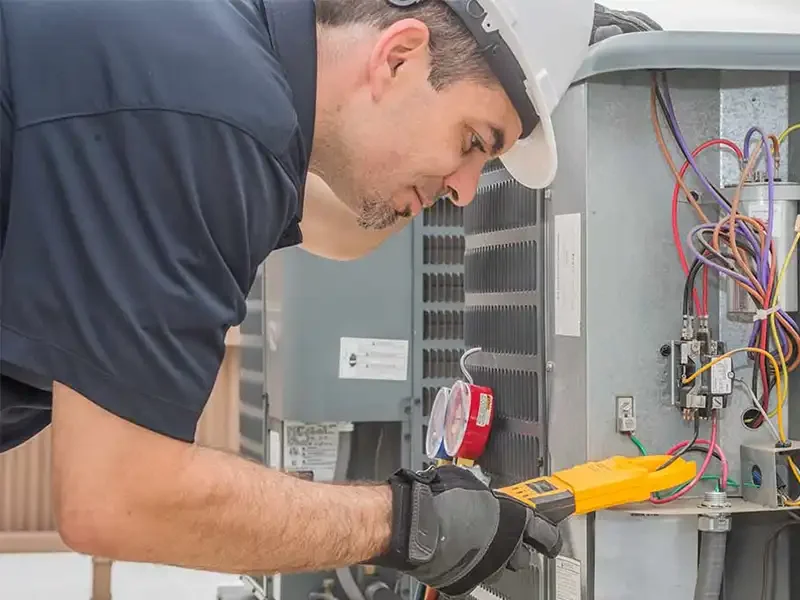
A furnace tune up is a detailed inspection and maintenance service that checks the important parts of your heating system. While every system may require slightly different attention, a typical service includes inspecting components, checking performance, and making adjustments that help your furnace operate properly.
A furnace tune up and cleaning usually includes:
  • Inspecting furnace components
  • Checking safety controls
  • Cleaning important system parts
  • Inspecting burners and ignition components
  • Checking airflow
  • Examining electrical connections
  • Checking thermostat operation
  • Replacing or inspecting the furnace filter
  • Testing overall system performance
Our regular clean and checks help keep your heating system ready for winter.

Do I Really Need a Furnace Tune Up?

Yes, small issues can develop over time without obvious warning signs.
A furnace maintenance tune up helps identify problems such as:
  • Dirty components affecting performance
  • Reduced airflow
  • Worn parts
  • Electrical connection issues
  • Problems with ignition or burners
Routine maintenance can also help homeowners better understand the condition of their furnace before a problem occurs during the coldest part of the year.

How Does a Furnace Tune Up Improve Efficiency?

One of the biggest benefits of regular furnace maintenance is helping your system operate more efficiently. A furnace that has not been cleaned or inspected may have to work harder to provide the same level of heat.
Homeowners looking for ways to improve furnace efficiency can benefit from:
  • Changing dirty filters regularly
  • Keeping vents open and unobstructed
  • Scheduling professional maintenance
  • Checking thermostat settings
  • Addressing small issues before they affect performance
A properly maintained household furnace can operate more consistently and provide more reliable comfort throughout the heating season.

How Can I Increase Heat Output From My Furnace?

If your home is not feeling as warm as expected, several factors may affect your furnace’s heat output. A dirty filter, blocked airflow, aging components, or maintenance issues can all impact performance.
Ways to help increase heat output from a furnace include:
  • Replacing a clogged air filter
  • Keeping supply vents open
  • Ensuring return vents are not blocked
  • Scheduling a furnace inspection
  • Having your heating system professionally cleaned
If your heating furnace is struggling to keep up, a professional evaluation can help determine whether maintenance or repair is needed.

How Can I Make a Gas Furnace More Efficient?

A gas furnace heater relies on several components working together to safely and effectively heat your home. Over time, dust, dirt, and normal wear can affect how efficiently the system operates.
A professional gas furnace tune-up can help by checking important parts of the system and ensuring everything is operating as expected.
Additional steps homeowners can take include:
  • Keeping filters clean
  • Maintaining proper airflow
  • Scheduling annual furnace service
  • Keeping the area around the furnace clear
  • Addressing unusual sounds or odors quickly
Regular care helps support better furnace performance and can reduce unnecessary strain on the system.

Why Schedule a Heater Tune-Up Before Winter?

Northbrook homeowners depend on their furnaces during the coldest months of the year. Waiting until the first major cold spell to discover a problem can leave your household uncomfortable when you need heat the most.
A seasonal heater tune-up gives your system a chance to be inspected before heavy use begins. It also provides an opportunity to address maintenance needs and improve overall system reliability.

Furnace Tune Ups in Northbrook, IL

Your furnace works hard to keep your home comfortable throughout the winter. Regular maintenance helps ensure your heating system is prepared for the season ahead.
Bill’s Plumbing and Sewer provides professional furnace tune ups, inspections, and furnace tune up and cleaning services for homeowners throughout Cook County. Our team helps identify maintenance needs, check system operation, and keep your furnace ready when temperatures drop.
If your HVAC furnace needs a seasonal inspection or you want to schedule professional clean and checks, contact Bill’s Plumbing and Sewer today to keep your home comfortable throughout the winter.
Posted in:

Related Posts

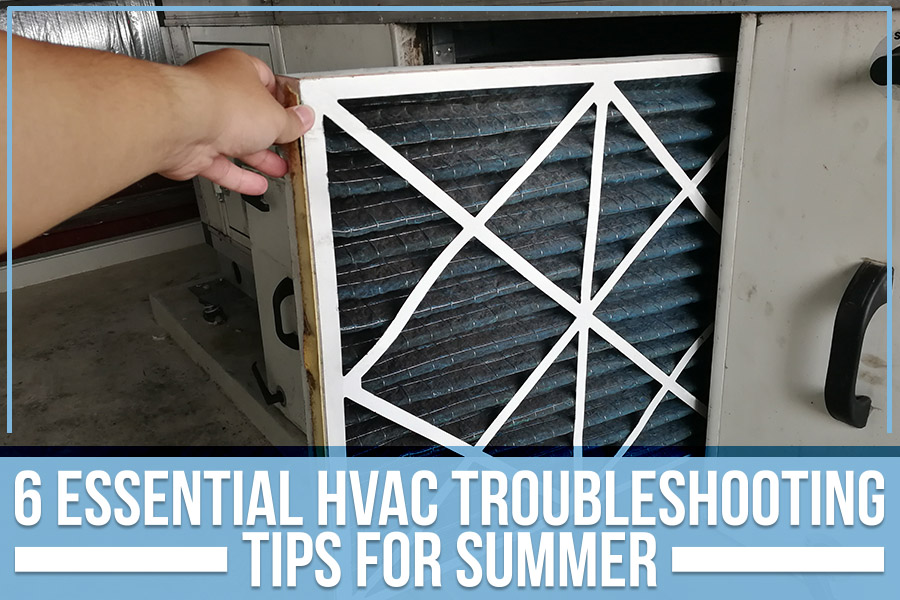
HVAC troubleshooting in Northbrook

How to Repair a Furnace: A Practical Guide for Homeowners

When a furnace stops working, panic usually follows—especially during a Northbrook winter. Many breakdowns come from a few predictable issues, and some basic checks can be done safely before calling for professional furnace repair. This guide walks you through simple troubleshooting steps and explains when it is time to contact Bill’s Plumbing & Sewer, your local expert for furnace repair near me in Northbrook, IL. Whether the problem is a noisy system, poor airflow, or a furnace that will not start at all, this tutorial helps you understand what is happening and what you can do about it—up to the point where a trained furnace repair technician should step in. Start with the Basics: Simple Furnace Troubleshooting more Before assuming the worst, it makes sense to rule out small, common issues. Many calls for heating furnace repair begin with problems that do not require major work. Check the Thermostat Confirm the thermostat is set to HEAT. Increase the set temperature by a few degrees. Replace the batteries if the display is dim or blank. A large share of “no heat” situations start and end at the thermostat. Verify the Furnace Power Switch Most furnaces have a wall switch that looks like a regular light switch. If it is off, the furnace will not run. Turn it on and give the system a few minutes to respond. Inspect the Air Filter A clogged filter can overheat the system, reduce airflow, and trigger a shutdown. If the filter is dirty, replace it. This simple step protects the system and often restores normal operation without further furnace repair. Try a Single Reset Some gas and oil furnaces have a reset button that will lock out the burner for safety. Press the reset button only once. If the furnace still will not run, avoid repeated resets and move on to deeper diagnosis or professional help. Common Furnace Problems and What They Mean Not every problem is safe to handle on your own, but understanding the most common failure points helps you make better decisions. These are typical furnace parts that often require repair or replacement: Furnace ignitor Flame sensor Draft inducer motor Furnace blower motor Limit switch Burner assembly Furnace control board Heat exchanger Gas valve Furnace capacitor Ignitor Failure If the ignitor fails, a gas furnace will not light. You may hear clicking but see no flame. Ignitors are fragile and run at very high temperatures. This is not a good candidate for DIY work; replacement is best handled by a qualified gas furnace repair technician. Blower Motor Problems Weak airflow, no airflow, humming sounds, or a burning smell can point to a failing blower motor. Furnace blower motor repair often involves electrical testing and motor replacement. This type of work should be done by a professional due to the electrical and mechanical risks involved. Dirty Flame Sensor The flame sensor confirms that the burner has lit. If it becomes coated with residue, the furnace may light briefly and then shut off. Basic cleaning procedure: Turn off power to the furnace. Remove the flame sensor carefully. Gently clean it with fine steel wool. Reinstall and restore power. If the furnace now stays on, the issue was likely limited to the sensor. If not, professional heating furnace repair is the next step. Oil Furnace Issues With oil furnace repair, clogged nozzles, dirty burners, or fuel delivery issues are common. You can confirm the oil tank is not empty and change an accessible filter, but nozzle cleaning, burner adjustment, and combustion testing require specialized tools and training. Those jobs belong in the hands of an experienced technician. How Much Does Furnace Repair Cost? The f urnace repair cost depends on the failed part and the complexity of the work. Minor repairs often fall in a lower price range, while major repairs such as blower motor replacement, control board replacement, or extensive gas furnace repair can be more costly. Oil systems can be slightly more expensive to service than basic gas furnaces, especially if burner components or venting need work. When you search for furnace repair near me or gas furnace repair near me, the most important factor is choosing someone who can diagnose the issue correctly the first time. A misdiagnosed problem can quickly make any repair more expensive than it needs to be. When to Call a Furnace Repair Technician Some issues are reasonable to inspect on your own. Others call for professional help to keep your home safe. A licensed furnace repair technician should handle the problem when: You smell gas or suspect a leak. The furnace short-cycles or turns on and off rapidly. The blower never turns on or never turns off. You hear grinding, scraping, or metal-on-metal noises. The breaker trips when the furnace runs. There is visible water around the base of the furnace. You suspect a cracked heat exchanger or carbon monoxide risk. These are not simple fixes. They involve combustion, fuel lines, high voltage, or venting. In these cases, the right move is to bring in a company that regularly handles heating furnace repair and full system diagnostics. Who to Call for Furnace Repair in Northbrook, IL When the problem goes beyond filter changes and thermostat resets, Bill’s Plumbing & Sewer is the team to contact. If you are wondering who can repair your furnace safely, efficiently, and honestly, our technicians provide complete furnace repair services, including: Emergency furnace repair in Northbrook and surrounding areas Gas furnace repair and safety checks Oil furnace repair and burner service Blower motor diagnostics and replacement Ignitor and flame sensor replacement Annual maintenance to reduce breakdowns and extend system life Furnace replacement when repair is no longer cost-effective Our role is to take over when the repair becomes too technical, too risky, or simply too frustrating to handle alone. We explain what failed, what it will take to correct it, and whether repair or replacement is the better investment for your home. When the Furnace Gets Complicated, Bill’s Plumbing & Sewer Can Help Basic troubleshooting can solve a surprising number of minor furnace problems. When the issue becomes mechanical, electrical, or fuel-related, it is time to call a professional. If your system will not run, is making concerning noises, or keeps shutting down, our team is ready to help. For reliable furnace repair and heating furnace repair in Northbrook, IL, contact Bill’s Plumbing & Sewer today. We are here to restore your heat, protect your home, and keep your family comfortable all season long.