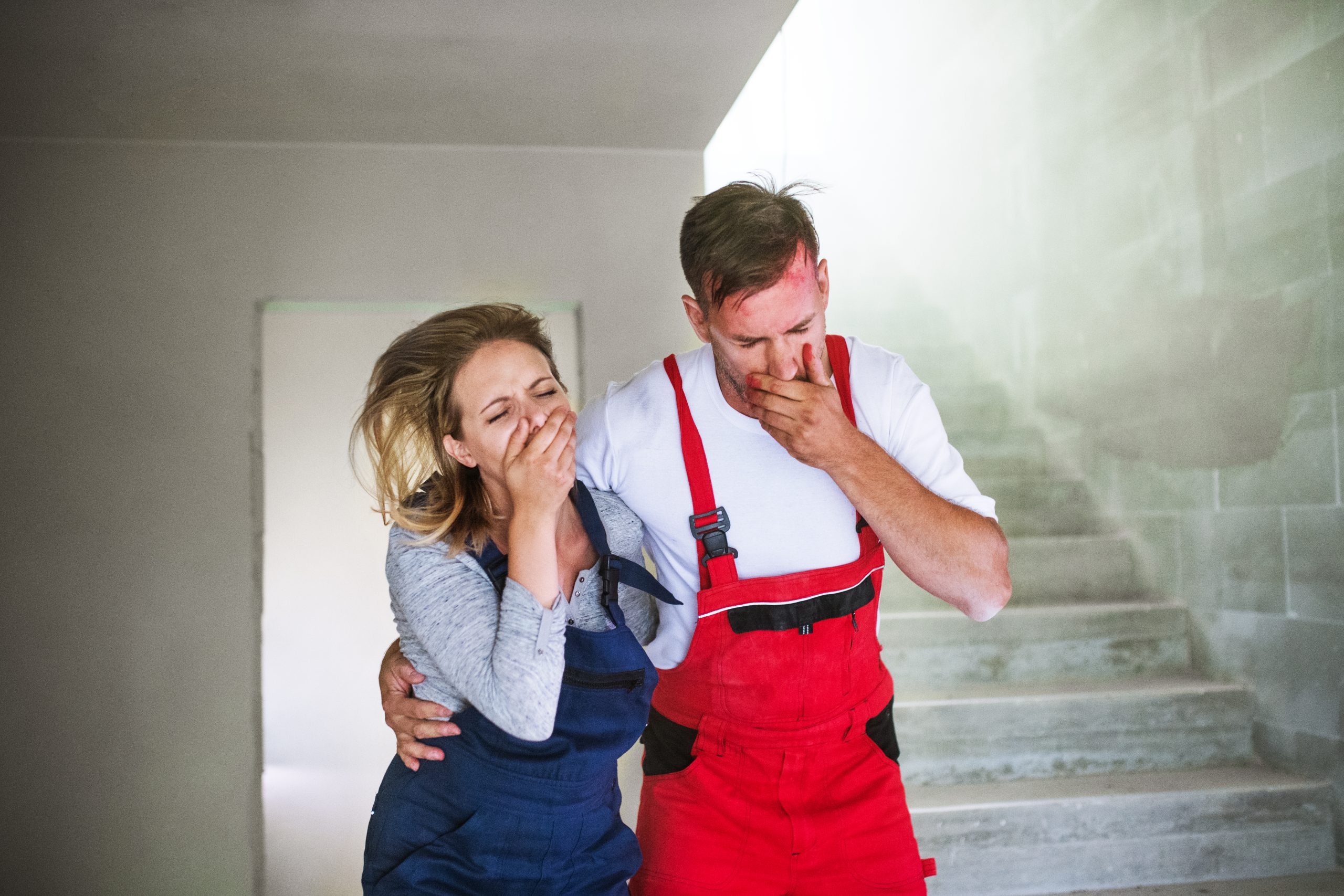
Assess the Situation Carefully
First, identify where the asbestos is located. Common areas include insulation, floor tiles, ceiling tiles, pipe wraps, and roofing materials. If the asbestos-containing material (ACM) is intact and undisturbed, the immediate risk is low. Disturbing or damaging it can release harmful fibers into the air.
Do not attempt to touch, remove, or disturb the material yourself. Even minor disruption can cause fibers to become airborne, increasing the risk of inhalation. If the ACM is damaged, crumbling, or friable, it poses a higher health risk and requires more urgent attention.
Limit Access and Avoid Disturbance
If the asbestos is located in a frequently used area, consider temporarily relocating to reduce exposure. Use clear signage or barriers to prevent accidental disturbance by contractors or visitors unfamiliar with the risk.
DO NOT attempt to remove the asbestos. Instead, leave the material undisturbed and intact until professionals can assess and manage it.
Arrange for Professional Testing and Inspection
To confirm the extent and condition of asbestos, hire a certified asbestos inspector or testing laboratory. They will take samples safely and analyze them to determine the type and amount of asbestos present.
Testing results will guide the appropriate response—whether encapsulation (sealing), repair, or full removal is needed. This step is essential for making informed decisions about your home’s safety.
Plan for Containment or Removal
Once you have the inspection results, consult with qualified asbestos abatement professionals to develop a containment or removal plan. Containment involves sealing the asbestos to prevent fiber release without removing it. This can be an option if the material is in good condition.
If removal is necessary, professionals will isolate the area, use protective gear, and employ specialized equipment to safely remove and dispose of the asbestos materials. The process includes cleaning and air monitoring to ensure no fibers remain airborne.
Prepare Your Home for Safe Abatement
Before professionals arrive, clear the area of furniture and personal items. Seal off the work zone using plastic sheeting and barriers as instructed by the abatement team. This preparation minimizes contamination spread and facilitates thorough cleaning.
During abatement, avoid entering the containment zone. Professionals will maintain strict safety protocols to protect your household and themselves.
Post-Abatement Clearance Testing
After removal or containment, independent air clearance testing is critical. This confirms that airborne asbestos fibers are below hazardous levels and that the area is safe to reoccupy.
Only when clearance is achieved should normal use of the space resume. Keep documentation of all inspections, abatement procedures, and testing results for your records.
Connect with us


- August 2026
- July 2026
- June 2026
- May 2026
- April 2026
- March 2026
- February 2026
- January 2026
- November 2025
- July 2025
- June 2025
- April 2025
- March 2025
- January 2025
- February 2024
- December 2022
- November 2022
- October 2022
- September 2022
- July 2022
- June 2022
- May 2022
- April 2022
- March 2022
- February 2022
- January 2022
- December 2021
- November 2021
- October 2021
- September 2021
- August 2021
- July 2021
- June 2021
- May 2021
- April 2021
- March 2021
- February 2021
- January 2021
- December 2020
Archives

Fix Clogged Drains & Leaky Faucets With Our Residential & Commercial Plumbing Services In Northbrook, IL
Get A Free Estimate