Bill's Plumbing and Sewer

Blog

7 Common Plumbing Problems (and How to Fix Them at Home)

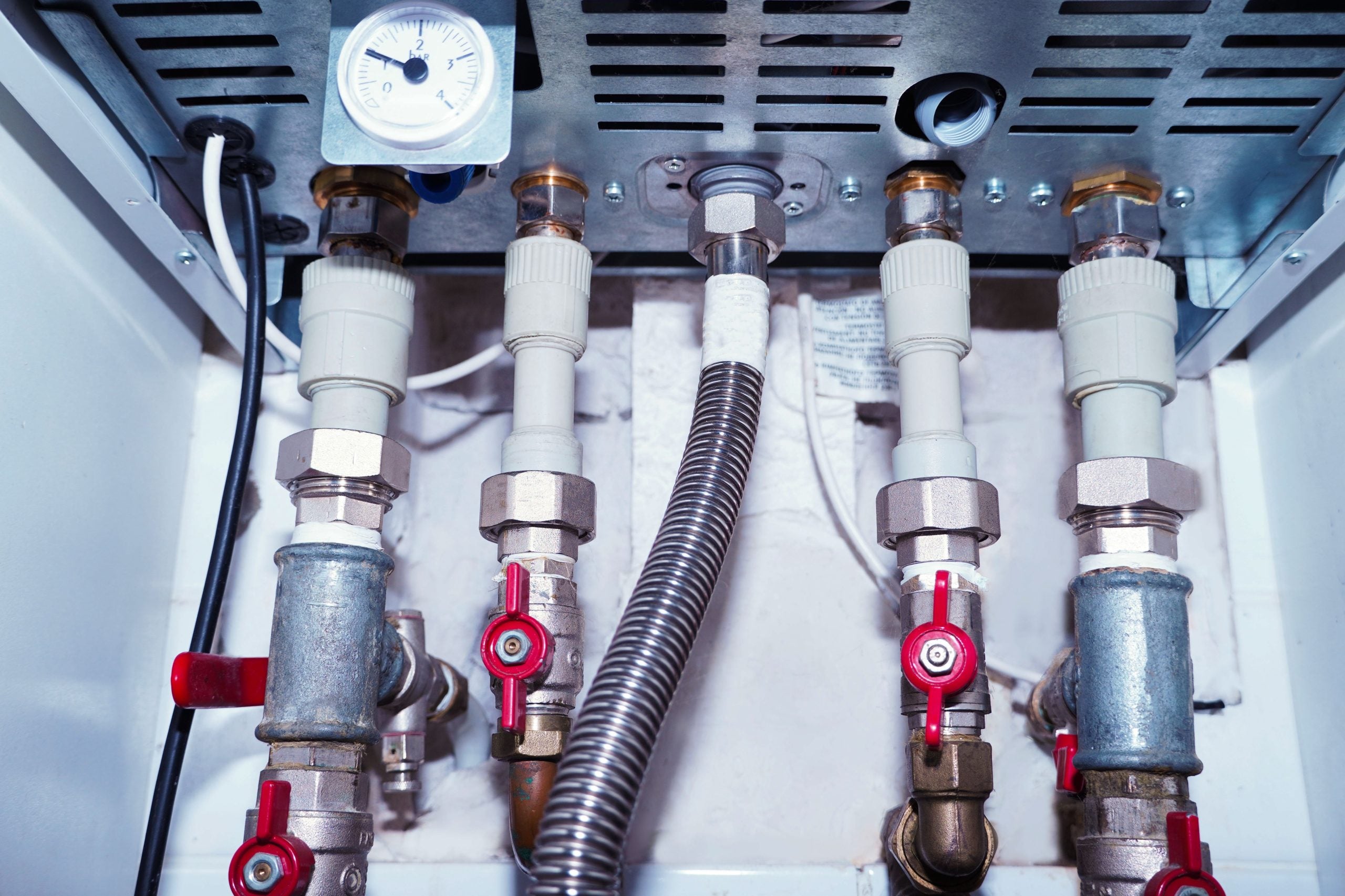
Plumbing,Connections,Of,A,Modern,Domestic,Double-circuit,Gas,Boiler,,Water

1. Leaky Faucets

A leaky faucet may seem like a minor inconvenience, but over time, it can add up to a significant waste of water and money. Leaks usually happen when washers or seals inside the faucet become worn out. These tiny parts can be replaced, but the real challenge is figuring out what’s causing the leak in the first place.

When you notice a constant drip from your faucet, it’s likely due to a worn-out washer or O-ring inside the faucet valve. The rubber or plastic washers wear down over time, allowing water to escape and create that annoying drip. Fortunately, fixing this issue isn’t too complicated. Start by turning off the water supply to the faucet and removing the handle to access the valve. Inspect the washers and O-rings; if they appear damaged, replacing them will often stop the leak. Once you've replaced the parts, reassemble the faucet, turn the water supply back on, and test for leaks. It’s a simple fix that can prevent unnecessary water waste and lower your utility bills.

2. Clogged Drains

Clogged drains are an all-too-familiar household problem. They can occur for many reasons, such as soap, grease, food particles, or hair building up in the pipes. Sometimes the clog can be resolved with a simple solution, while other times it requires a more detailed approach.

For small, localized clogs, you can start by using a plunger. This common tool works by using air pressure to dislodge blockages in the pipe. If that doesn’t work, you can try a drain snake, which is a coiled metal wire that you insert into the drain to physically break up or pull out the clog. Alternatively, a mixture of baking soda and vinegar followed by hot water can break down minor blockages and clean the pipes. If the drain remains clogged, it could be an indication that there is a more serious buildup farther down the pipe, requiring a professional-grade auger or snaking tool to clear it out.

Preventing clogs in the first place is key. Consider using drain covers to catch hair or food debris, and avoid pouring grease down the drain, as it can solidify and cause further blockages. Regularly flushing your drains with hot water can also help keep things flowing smoothly.

3. Running Toilet

A running toilet is one of the most frustrating plumbing problems because it wastes both water and money. When the toilet continues to run after being flushed, it’s typically caused by issues with the internal components of the toilet tank. The most common culprit is a faulty flapper valve, which controls the flow of water into the bowl. If the valve doesn’t seal properly, water will continuously leak into the bowl, leading to the running sound. Other potential causes include a misaligned float or a malfunctioning fill valve.

The first step in fixing a running toilet is to turn off the water supply to the toilet. After that, remove the tank lid and inspect the flapper, float, and fill valve. If the flapper valve appears worn or warped, it can be replaced easily. Adjust the float if it seems too high or low, which affects the water level in the tank. If the fill valve is malfunctioning, it might need a replacement. These parts are generally affordable and can be found at most hardware stores. Once everything is in place, turn the water back on and check for leaks or the continued running of water.

4. Low Water Pressure

Low water pressure is another common issue that homeowners face. A sudden drop in water pressure can make showering, washing dishes, or doing laundry a tedious task. The cause could be something as simple as a clogged aerator on the faucet, or it could indicate a more serious issue such as a leak in your plumbing or a problem with the water supply.

If only one faucet is affected, the problem is likely with the aerator. The aerator is a small screen at the end of the faucet that controls the flow of water. Over time, mineral deposits can build up, restricting water flow. Unscrewing the aerator and cleaning it with vinegar usually solves the problem. However, if the low pressure is widespread, it could be due to pipe corrosion, leaks, or issues with the water supply line. You may need to call in a professional plumber to diagnose and fix the issue if it’s not isolated to a single fixture.

In the meantime, you can increase the pressure temporarily by adjusting the pressure regulator, which controls the water pressure for the entire system. If the regulator is faulty, replacing it can restore normal water pressure.

5. Burst Pipes

Burst pipes are one of the most serious plumbing issues that can lead to extensive water damage in your home. This problem is especially common in colder climates, where pipes freeze and crack during winter. Other factors such as age, poor maintenance, or tree roots growing into the pipes can also cause pipes to burst.

If you discover a burst pipe, it’s crucial to act quickly. First, turn off the main water supply to prevent further flooding. If the pipe is frozen, carefully thaw it out using a hairdryer or space heater (never use an open flame). Once the pipe is thawed, inspect it for cracks or breaks. For small cracks, you can temporarily seal the pipe with pipe repair tape, but a burst pipe may require replacing a section of the pipe entirely. In some cases, a professional plumber will need to fix the issue if the damage is too severe.

6. Water Heater Issues

Water heater problems are something most homeowners will face at some point, whether it's not producing hot water, making strange noises, or leaking. Common causes include sediment buildup in the tank, a broken heating element, or a malfunctioning thermostat.

If you notice that your water heater isn’t providing enough hot water, the first step is to check the thermostat. Ensure that it's set to the correct temperature, around 120°F, as higher settings can cause overheating or energy waste. Sediment buildup at the bottom of the tank is a frequent cause of water heater malfunctions. To address this, turn off the water and power supply, and then drain the tank to remove sediment. If the water heater is making popping or crackling noises, it’s often a sign of mineral buildup, and draining the tank will likely solve the problem.

In more severe cases, the heating elements may need to be replaced, or you may need to install a new water heater if yours is too old or damaged to be repaired.

7. Sewer Line Problems

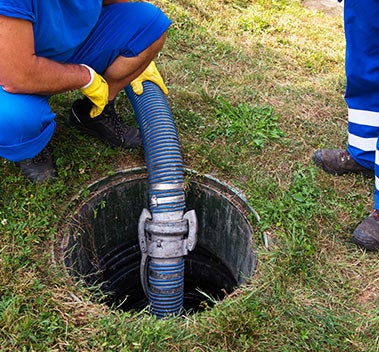
If your toilet and/or drains are backing up with sewage, there’s a major obstruction somewhere in the main sewer line. Tree roots, grease buildup, and pipe collapse are the usual culprits.

If you suspect a sewer line blockage, avoid using sinks or toilets to prevent any further waste from backing up. While minor blockages can sometimes be cleared using a plumbing snake or auger, most sewer line problems require professional intervention. A plumber can inspect the line with a camera to locate the blockage and either clear it or replace the damaged pipe. In some cases, tree roots may need to be removed, or the entire sewer line might require replacement to restore proper flow.
Recommended Posts

Clogged drain from baby wipes in Cook County, IL.

Can Baby Wipes Clog Your Toilet or Sewer Line?

Baby wipes are convenient for cleaning up messes, but they can create serious plumbing problems when they are flushed down the toilet. Even wipes labeled as “flushable” can contribute to clogged drains, blocked toilets, and sewer line issues over time. Many homeowners assume wipes break down the same way toilet paper does. The reality is that most wipes are designed to stay strong and durable when wet, which means they may not break apart quickly enough as they travel through your plumbing system. For homeowners in Northbrook, IL, a buildup of wipes in your drain pipes or sewer line can lead to slow drains, backups, and costly repairs if the problem is not addressed early. Why Baby Wipes Cause Drain and Sewer Problems more Most baby wipes are made from synthetic fibers such as polyester or polypropylene, blended with materials like cotton or plant-based fibers. These materials are designed to hold together when wet, making wipes effective for cleaning but difficult for plumbing systems to process. Unlike toilet paper, which is specifically designed to dissolve quickly after flushing, wipes can remain intact as they move through your pipes. When multiple wipes collect in the plumbing system, they can catch on pipe buildup, combine with grease or debris, and create a blockage. A drain pipe clogged by wipes can cause: Slow-draining sinks or tubs Toilets that frequently back up Water coming back up through drains Sewer odors Complete sewer line blockages Are Flushable Wipes Safe for Your Plumbing? Some wipes are marketed as flushable, but that does not always mean they will move safely through every plumbing system. Testing standards and real-world plumbing conditions can vary. Older sewer lines, pipes with buildup, and homes with existing drainage issues may be more likely to experience problems when wipes are flushed regularly. The safest option for your plumbing is to dispose of wipes in the trash, even if the packaging says they are flushable. What About Water Wipes? Are They Flushable? Water-based wipes, including brands such as WaterWipes, are designed with sensitive skin in mind and may contain fewer additives than traditional wipes. However, being gentle on skin does not mean they are designed to break down like toilet paper. Like other wipes, they can contribute to plumbing problems when flushed repeatedly. If you want to protect your drains and sewer line, avoid flushing wipes of any kind. How to Remove Baby Wipes From a Toilet or Drain If wipes are already causing a blockage, using chemical drain cleaners is usually not the best solution. Many drain cleaners are designed for dissolving organic buildup but will not break down durable wipe materials. Depending on where the blockage is located, solutions may include: Using a toilet auger to remove wipes near the toilet Removing visible buildup manually when accessible Using professional drain equipment for deeper blockages Performing a sewer line inspection if backups continue When wipes move deeper into the plumbing system, they can become difficult to remove without professional tools. Signs Baby Wipes May Be Blocking Your Sewer Line A few wipes flushed accidentally may not cause an immediate problem. Issues usually develop when wipes accumulate over time. Watch for these warning signs: Toilets that clog repeatedly Multiple slow drains throughout your home Gurgling sounds from pipes Water backing up into tubs or sinks Sewage odors near drains These symptoms may indicate a larger issue with your sewer line rather than a simple toilet clog. How Bill’s Plumbing and Sewer Can Help With Wipe-Related Clogs When wipes create a blockage, contact Bill’s Plumbing and Sewer for professional drain and sewer solutions for homeowners in Northbrook, IL and surrounding areas. Our team can help identify the cause of recurring clogs and determine the right solution, whether the issue is located in a toilet, drain pipe, or sewer line. If your drain pipe is clogged, your toilet keeps backing up, or you suspect wipes are causing a sewer line problem, professional plumbing service can help restore proper flow and prevent future damage.

sewer pipe hydro jetting in Northbrook, IL

Hydro Jetting in Northbrook, IL: A Powerful Solution for Stubborn Sewer Line Clogs

When traditional drain cleaning methods are not enough, hydro jetting can provide a deeper clean for your plumbing system. At Bill’s Plumbing and Sewer in Northbrook, IL, hydro jet drain cleaning is used to remove tough buildup, grease, debris, and other blockages that can restrict your sewer line. Unlike basic drain snaking, which typically creates a path through a clog, hydro jet plumbing uses high-pressure water to clean the inside walls of your pipes. This helps restore better flow and can help prevent recurring sewer problems. more What Is Hydro Jetting? Hydro jetting is a professional drain cleaning method that uses highly pressurized water to clear and clean plumbing pipes. A specialized nozzle is inserted into the sewer line, where powerful streams of water break apart buildup and flush debris out of the system. Hydro jet sewer cleaning can remove: Grease and sludge buildup Soap residue Mineral deposits Tree root intrusion Food waste and debris Other materials restricting water flow For homeowners dealing with recurring clogs, slow drains, or sewer backups, hydro jetting sewer line services can provide a more complete cleaning than standard drain clearing methods. How Hydro Jetting Works The process begins with an inspection of the sewer line to determine the condition of the pipes. At Bill’s Plumbing and Sewer, camera inspections are used to look inside the sewer line and identify the cause of the problem before recommending a solution. A small waterproof camera is guided through the plumbing system, allowing technicians to locate: Blockages inside the pipe Cracks or damage Tree roots growing into the line Areas with heavy buildup Once the problem is identified, hydro jet equipment can be used to target the buildup and clean the pipe walls. The high-pressure water moves through the line, breaking apart debris and flushing it away. This combination of sewer camera inspection and hydro jetting allows for a more accurate diagnosis and a more effective plumbing solution. When Is Hydro Jet Drain Cleaning Needed? Hydro jet drain cleaning is commonly recommended when homeowners experience: Frequent sewer line clogs Slow drains throughout the home Recurring backups Gurgling pipes or toilets Foul sewer odors Heavy grease or sludge buildup If a drain keeps clogging after traditional cleaning methods, there may be buildup inside the pipe that needs more than a temporary fix. Hydro jetting helps remove the material causing the restriction instead of simply opening a small passage through it. Is Hydro Jetting Worth It? For many homeowners, hydro jetting is worth considering because it provides a deeper sewer cleaning than standard drain services. Instead of only removing the immediate blockage, hydro jet sewer cleaning helps clear buildup along the inside of the pipe. The benefits of hydro jetting include: More thorough pipe cleaning Improved water flow Longer-lasting results Reduced risk of recurring clogs Better understanding of sewer line conditions through camera inspection However, hydro jetting is not the right solution for every plumbing issue. Severely damaged or fragile pipes may require repairs or replacement instead. A sewer camera inspection helps determine whether your plumbing system can safely benefit from hydro jetting. How Much Does Hydro Jetting Cost? The cost of hydro jetting depends on several factors, including the location of the blockage, the condition of the sewer line, the severity of the buildup, and whether a camera inspection is needed. Because every plumbing system is different, an accurate estimate requires evaluating the condition of the pipes first. Bill’s Plumbing and Sewer uses professional inspection methods to determine the best approach for each home. Hydro Jetting Near Me in Northbrook, IL If you are searching for hydro jetting near me, Bill’s Plumbing and Sewer provides professional sewer cleaning solutions for homeowners in Northbrook and surrounding areas. Our team combines advanced equipment, including sewer camera inspections, with proven drain cleaning methods to identify and resolve plumbing problems. Whether you have recurring clogs, slow drains, or concerns about your sewer line, professional hydro jet plumbing can help restore your system’s performance. Contact Bill’s Plumbing and Sewer today to schedule a sewer inspection and find out if hydro jetting sewer line cleaning is the right solution for your home.

Plumbing system upgrades for restaurants and commercial buildings in Northbrook Illinois

Top Plumbing Upgrades for Local Businesses in Northbrook, IL

Plumbing systems are often overlooked in commercial buildings, but they play a critical role in keeping daily operations running smoothly. From customer-facing restrooms to kitchen and facility infrastructure, reliable plumbing directly impacts efficiency, safety, and overall business performance. For business owners in Northbrook, IL and the surrounding North Shore and Chicago metro area, upgrading commercial plumbing systems can reduce operating costs, prevent downtime, and improve compliance with local water and safety standards. At Bill’s Plumbing and Sewer, we help local businesses modernize their plumbing systems with long-term performance in mind. more Water-Efficient Commercial Fixtures One of the most effective upgrades for any commercial property is installing water-efficient plumbing fixtures. These improvements reduce water consumption without sacrificing performance. Common upgrades include: Sensor-activated faucets in restrooms and kitchens Dual-flush or low-flow toilets High-efficiency pre-rinse spray valves for food service businesses Water-conserving aerators for sinks These upgrades not only reduce monthly utility costs but also improve hygiene by minimizing contact with shared surfaces—an important consideration for customer-facing businesses. Many water-efficient fixtures may also qualify for utility rebates or local incentive programs, helping offset installation costs over time. Backflow Prevention Systems Protecting your water supply is essential for both safety and compliance. Backflow prevention devices help ensure that contaminated water does not enter the clean water system. For commercial properties in Northbrook, Glenview, and Chicago’s North Shore business districts, backflow prevention is especially important for: Restaurants and food service operations Medical and dental offices Industrial and manufacturing facilities Properties with irrigation or boiler systems Properly installed devices such as reduced pressure zone (RPZ) assemblies and double check valves help protect your business from contamination risks, health violations, and costly shutdowns. Upgrading Pipes and Drainage Infrastructure Older commercial buildings often suffer from aging pipes, corrosion, and inefficient drainage systems. These issues can lead to frequent backups, water damage, and operational disruptions. Upgrading to modern piping materials can: Reduce long-term maintenance costs Improve drainage flow and system efficiency Prevent recurring leaks and blockages Extend the lifespan of your plumbing infrastructure For high-demand businesses such as restaurants, retail centers, and multi-tenant commercial spaces in Chicago, IL, oversized drain line upgrades may also be recommended to handle peak usage and prevent overflow during busy hours. Smart Leak Detection and Monitoring Systems Modern commercial plumbing systems now include smart technology that helps prevent costly water damage before it starts. Smart leak detection systems can: Monitor real-time water usage Detect abnormal flow patterns instantly Alert property managers to potential leaks Automatically shut off water in emergency situations These systems are especially valuable for businesses that operate after hours or manage multiple tenants, helping reduce risk and protect property investments. Serving Northbrook, IL and the Greater Chicago Commercial Market At Bill’s Plumbing and Sewer, we provide commercial plumbing services for businesses throughout Northbrook, IL, Glenview, Deerfield, Skokie, and the greater Chicago, IL commercial corridor—one of the highest-demand regions in Illinois for commercial plumbing services. From office buildings and retail centers to restaurants and industrial facilities, our team delivers reliable plumbing solutions designed to keep your business operating without interruption. Work With a Trusted Northbrook Commercial Plumbing Contractor Whether you’re upgrading fixtures, improving drainage systems, or modernizing your entire plumbing infrastructure, Bill’s Plumbing and Sewer provides dependable commercial plumbing services tailored to your building’s needs. Contact us today to schedule a consultation and learn how the right plumbing upgrades can improve efficiency, safety, and long-term performance for your business.