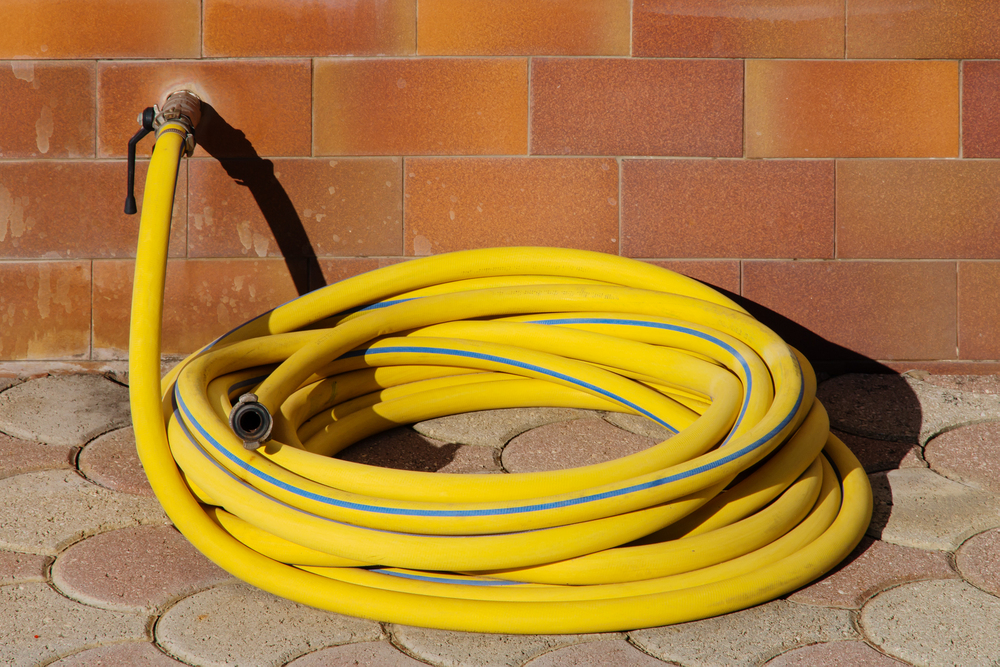
How to Prevent Your Pipes From Freezing This Winter A faucet that barely runs on a freezing morning may be warning you about ice inside a water line. If that pipe splits, the damage can remain hidden until it thaws and water starts leaking into walls, ceilings, or your basement. Preparing your plumbing before freezing weather arrives helps reduce that risk. For homeowners in Northbrook, IL, that means protecting exposed pipes, draining outdoor faucets, and making sure indoor plumbing stays warm throughout winter. Bill’s Plumbing and Sewer provides residential and commercial plumbing services in Northbrook. Here are the steps to take before the next cold spell—and the problems that call for a plumber. Start With the Pipes Most Exposed to Cold Water expands as it freezes, creating pressure that can damage pipes and fittings. Both metal and plastic water lines can be affected. Walk through your home and look for plumbing in areas that receive little heat: Unfinished basements and crawl spaces. Attics and attached garages. Kitchen and bathroom cabinets along exterior walls. Outdoor faucets and the water lines supplying them. Areas where cold drafts enter around pipe openings. A pipe that has frozen before deserves attention before temperatures drop again. Insulation may help, but recurring freezing can also point to air leaks, inadequate heat, or a poorly protected pipe location. Disconnect Garden Hoses and Winterize Your Hose Bibs A hose bib is the outdoor faucet where you connect a garden hose. Leaving a hose attached can trap water and prevent the faucet from draining. That trapped water can freeze and damage the faucet or piping inside the wall. Disconnect hoses before the first freeze, even if your outdoor faucets are labeled frost-free. Shut Off and Drain a Standard Outdoor Faucet For a conventional hose bib with a separate indoor shutoff valve, follow these steps: Turn off the outdoor faucet. Disconnect the garden hose and removable watering accessories, such as timers and splitters. Drain the hose and store it for winter. Locate the indoor valve supplying that faucet. It is often in the basement or crawl space near where the pipe passes through the exterior wall. Close the supply valve. A typical round handle turns clockwise to close; a standard quarter-turn valve closes when its lever is perpendicular to the pipe. Do not force a stuck or corroded valve. Return outside and open the hose bib to drain the remaining water. Once drained, leave this conventional faucet open for winter while its indoor supply valve stays closed. If the indoor valve has a drain or bleeder port, follow its instructions to drain trapped water. Ask a plumber for help if you are unsure how it operates. Water that continues flowing after the line should have drained may mean the indoor shutoff is not closing fully. Have it checked rather than assuming the faucet is protected. An insulated outdoor faucet cover can provide additional protection, but it does not replace proper draining. Protect Frost-Free Outdoor Faucets, Too A frost-free hose bib shuts off water farther inside the building and is designed to drain when correctly installed. For these models, disconnect the hose, close the outdoor faucet, and allow it to drain according to the manufacturer’s instructions. Do not leave a supplied frost-free faucet open for winter. Frost-free does not mean freeze-proof under every condition. A connected hose, an incorrect installation angle, or an unheated space around the supply piping can still cause trouble. If you cannot identify your faucet type or find its shutoff, have a plumber check the setup. Keep the Heating Consistent Keep your heating on during freezing weather, including when you leave town. The American Red Cross recommends a thermostat setting no lower than 55°F while you are away. Pipes in cold wall cavities or drafty areas may need additional protection even at that setting. During severe cold, avoid large nighttime temperature setbacks. If your furnace struggles to maintain the indoor temperature, arrange heating repair in Northbrook, IL before leaving your home unattended. Let Warm Air Reach Indoor Plumbing Open kitchen and bathroom cabinet doors during very cold weather so room heat can reach pipes underneath sinks. Move cleaning products out of reach of children and pets. Keep the garage door closed if water lines run through the garage. Keep the door between the house and attached garage closed as well; garage plumbing needs its own appropriate freeze protection. Add Pipe Insulation and Seal Drafts Fit suitable pipe insulation around exposed hot and cold water lines in unheated areas. Cover vulnerable sections consistently, including bends and fittings where the insulation system allows. Insulation slows heat loss; it does not generate heat. A pipe exposed to prolonged freezing conditions can still freeze. Check for drafts around plumbing penetrations, basement windows, and exterior-wall openings. Seal appropriate gaps with materials suited to the location. Keep required ventilation openings and appliance vents clear. Use Heating Cable Only as Directed Pipe-heating cable may help protect accessible water lines that remain vulnerable to freezing. Choose a listed product approved for your pipe material and installation location. Follow the manufacturer’s directions for installation, electrical protection, insulation, and operation. Do not overlap cable unless the instructions specifically allow it, and replace damaged products. A plumber can help assess whether heating cable or a change to the piping is the better solution. Let an At-Risk Indoor Faucet Drip During Severe Cold A small flow through a vulnerable indoor water line can help reduce freezing risk. Use the faucet served by that line; dripping an unrelated faucet may not protect it. Hot and cold supply lines may both need consideration. Keep the drain clear and ask your plumber which fixtures to use if you are unsure. Dripping is a temporary precaution, not a substitute for correcting recurring freezing problems. Act Quickly if You Suspect a Frozen Pipe Little or no water from one faucet during freezing weather can indicate a frozen supply line, particularly when other fixtures still work. Frost on exposed piping, unusual bulges, or damp walls also need attention. If you find a leak or suspect a burst pipe, close the main water shutoff if you can reach it safely and call a plumber. Stay away from standing water near electrical equipment. Never use a torch or open flame to thaw plumbing. If the frozen section is hidden, damaged, or inaccessible, leave the thawing and inspection to a professional. Restored water flow does not necessarily mean the pipe escaped damage. Get Help Preparing Your Northbrook Plumbing for Winter Bill’s Plumbing and Sewer is a licensed, bonded, and insured plumbing company serving Northbrook, IL. Our plumbing experience matters when a shutoff will not close, an outdoor faucet keeps leaking, or the same water line freezes every winter. Those problems need an assessment of the piping and valves before deciding on a repair. Explore our plumbing services or call 847-485-0513 to discuss winter plumbing concerns and request a free estimate. Address vulnerable plumbing before freezing temperatures turn a preventable problem into a water leak.