Bill's Plumbing and Sewer

Blog

All Bill's Plumbing & Sewer Blog Bill's Plumbing and Sewer Service Water Systems Commercial Plumbing Toilet Repair Drain Clog Emergency Plumbing Hose Bib HVAC Service Hydro Jetting Northbrook Plumbing Service Water Heater Water Line Replacement
Clogged drain from baby wipes in Cook County, IL.

Can Baby Wipes Clog Your Toilet or Sewer Line?

Baby wipes are convenient for cleaning up messes, but they can create serious plumbing problems when they are flushed down the toilet. Even wipes labeled as “flushable” can contribute to clogged drains, blocked toilets, and sewer line issues over time. Many homeowners assume wipes break down the same way toilet paper does. The reality is that most wipes are designed to stay strong and durable when wet, which means they may not break apart quickly enough as they travel through your plumbing system. For homeowners in Northbrook, IL, a buildup of wipes in your drain pipes or sewer line can lead to slow drains, backups, and costly repairs if the problem is not addressed early. Why Baby Wipes Cause Drain and Sewer Problems more Most baby wipes are made from synthetic fibers such as polyester or polypropylene, blended with materials like cotton or plant-based fibers. These materials are designed to hold together when wet, making wipes effective for cleaning but difficult for plumbing systems to process. Unlike toilet paper, which is specifically designed to dissolve quickly after flushing, wipes can remain intact as they move through your pipes. When multiple wipes collect in the plumbing system, they can catch on pipe buildup, combine with grease or debris, and create a blockage. A drain pipe clogged by wipes can cause: Slow-draining sinks or tubs Toilets that frequently back up Water coming back up through drains Sewer odors Complete sewer line blockages Are Flushable Wipes Safe for Your Plumbing? Some wipes are marketed as flushable, but that does not always mean they will move safely through every plumbing system. Testing standards and real-world plumbing conditions can vary. Older sewer lines, pipes with buildup, and homes with existing drainage issues may be more likely to experience problems when wipes are flushed regularly. The safest option for your plumbing is to dispose of wipes in the trash, even if the packaging says they are flushable. What About Water Wipes? Are They Flushable? Water-based wipes, including brands such as WaterWipes, are designed with sensitive skin in mind and may contain fewer additives than traditional wipes. However, being gentle on skin does not mean they are designed to break down like toilet paper. Like other wipes, they can contribute to plumbing problems when flushed repeatedly. If you want to protect your drains and sewer line, avoid flushing wipes of any kind. How to Remove Baby Wipes From a Toilet or Drain If wipes are already causing a blockage, using chemical drain cleaners is usually not the best solution. Many drain cleaners are designed for dissolving organic buildup but will not break down durable wipe materials. Depending on where the blockage is located, solutions may include: Using a toilet auger to remove wipes near the toilet Removing visible buildup manually when accessible Using professional drain equipment for deeper blockages Performing a sewer line inspection if backups continue When wipes move deeper into the plumbing system, they can become difficult to remove without professional tools. Signs Baby Wipes May Be Blocking Your Sewer Line A few wipes flushed accidentally may not cause an immediate problem. Issues usually develop when wipes accumulate over time. Watch for these warning signs: Toilets that clog repeatedly Multiple slow drains throughout your home Gurgling sounds from pipes Water backing up into tubs or sinks Sewage odors near drains These symptoms may indicate a larger issue with your sewer line rather than a simple toilet clog. How Bill’s Plumbing and Sewer Can Help With Wipe-Related Clogs When wipes create a blockage, contact Bill’s Plumbing and Sewer for professional drain and sewer solutions for homeowners in Northbrook, IL and surrounding areas. Our team can help identify the cause of recurring clogs and determine the right solution, whether the issue is located in a toilet, drain pipe, or sewer line. If your drain pipe is clogged, your toilet keeps backing up, or you suspect wipes are causing a sewer line problem, professional plumbing service can help restore proper flow and prevent future damage.
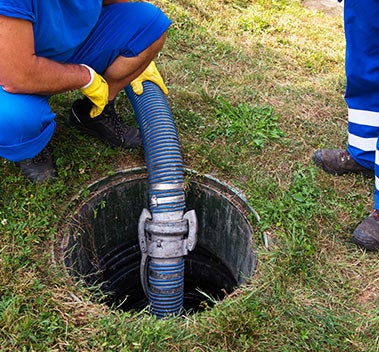
sewer pipe hydro jetting in Northbrook, IL

Hydro Jetting in Northbrook, IL: A Powerful Solution for Stubborn Sewer Line Clogs

When traditional drain cleaning methods are not enough, hydro jetting can provide a deeper clean for your plumbing system. At Bill’s Plumbing and Sewer in Northbrook, IL, hydro jet drain cleaning is used to remove tough buildup, grease, debris, and other blockages that can restrict your sewer line. Unlike basic drain snaking, which typically creates a path through a clog, hydro jet plumbing uses high-pressure water to clean the inside walls of your pipes. This helps restore better flow and can help prevent recurring sewer problems. more What Is Hydro Jetting? Hydro jetting is a professional drain cleaning method that uses highly pressurized water to clear and clean plumbing pipes. A specialized nozzle is inserted into the sewer line, where powerful streams of water break apart buildup and flush debris out of the system. Hydro jet sewer cleaning can remove: Grease and sludge buildup Soap residue Mineral deposits Tree root intrusion Food waste and debris Other materials restricting water flow For homeowners dealing with recurring clogs, slow drains, or sewer backups, hydro jetting sewer line services can provide a more complete cleaning than standard drain clearing methods. How Hydro Jetting Works The process begins with an inspection of the sewer line to determine the condition of the pipes. At Bill’s Plumbing and Sewer, camera inspections are used to look inside the sewer line and identify the cause of the problem before recommending a solution. A small waterproof camera is guided through the plumbing system, allowing technicians to locate: Blockages inside the pipe Cracks or damage Tree roots growing into the line Areas with heavy buildup Once the problem is identified, hydro jet equipment can be used to target the buildup and clean the pipe walls. The high-pressure water moves through the line, breaking apart debris and flushing it away. This combination of sewer camera inspection and hydro jetting allows for a more accurate diagnosis and a more effective plumbing solution. When Is Hydro Jet Drain Cleaning Needed? Hydro jet drain cleaning is commonly recommended when homeowners experience: Frequent sewer line clogs Slow drains throughout the home Recurring backups Gurgling pipes or toilets Foul sewer odors Heavy grease or sludge buildup If a drain keeps clogging after traditional cleaning methods, there may be buildup inside the pipe that needs more than a temporary fix. Hydro jetting helps remove the material causing the restriction instead of simply opening a small passage through it. Is Hydro Jetting Worth It? For many homeowners, hydro jetting is worth considering because it provides a deeper sewer cleaning than standard drain services. Instead of only removing the immediate blockage, hydro jet sewer cleaning helps clear buildup along the inside of the pipe. The benefits of hydro jetting include: More thorough pipe cleaning Improved water flow Longer-lasting results Reduced risk of recurring clogs Better understanding of sewer line conditions through camera inspection However, hydro jetting is not the right solution for every plumbing issue. Severely damaged or fragile pipes may require repairs or replacement instead. A sewer camera inspection helps determine whether your plumbing system can safely benefit from hydro jetting. How Much Does Hydro Jetting Cost? The cost of hydro jetting depends on several factors, including the location of the blockage, the condition of the sewer line, the severity of the buildup, and whether a camera inspection is needed. Because every plumbing system is different, an accurate estimate requires evaluating the condition of the pipes first. Bill’s Plumbing and Sewer uses professional inspection methods to determine the best approach for each home. Hydro Jetting Near Me in Northbrook, IL If you are searching for hydro jetting near me, Bill’s Plumbing and Sewer provides professional sewer cleaning solutions for homeowners in Northbrook and surrounding areas. Our team combines advanced equipment, including sewer camera inspections, with proven drain cleaning methods to identify and resolve plumbing problems. Whether you have recurring clogs, slow drains, or concerns about your sewer line, professional hydro jet plumbing can help restore your system’s performance. Contact Bill’s Plumbing and Sewer today to schedule a sewer inspection and find out if hydro jetting sewer line cleaning is the right solution for your home.

Plumbing system upgrades for restaurants and commercial buildings in Northbrook Illinois

Top Plumbing Upgrades for Local Businesses in Northbrook, IL

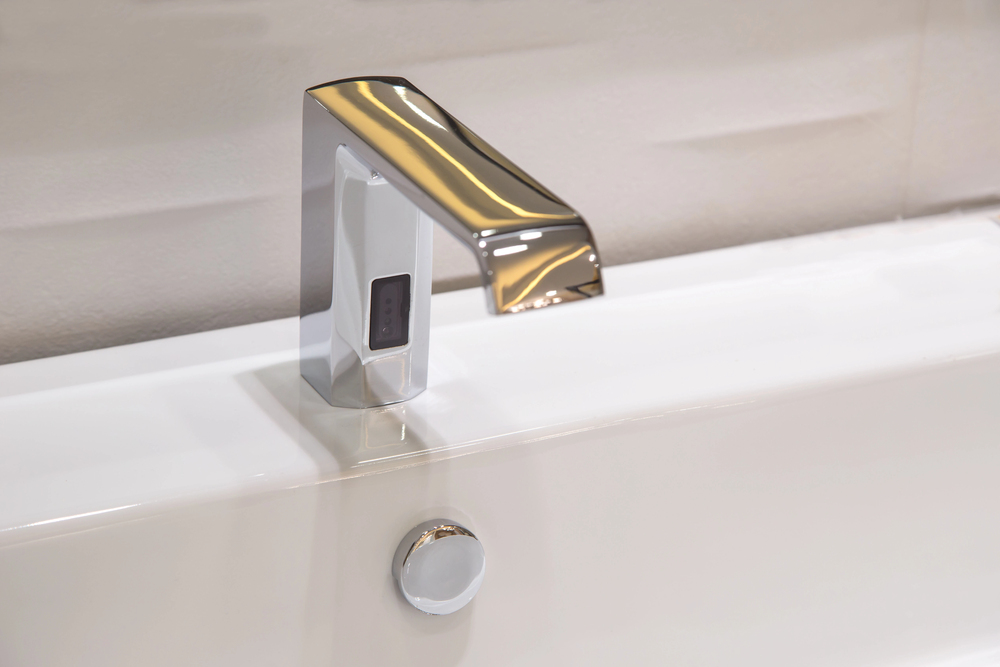
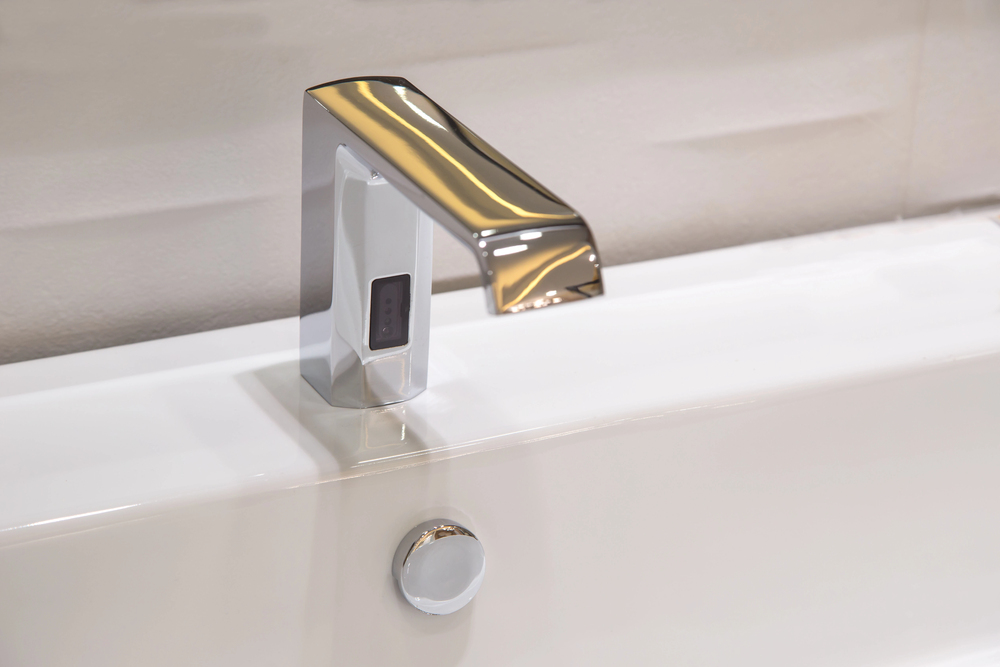
Plumbing systems are often overlooked in commercial buildings, but they play a critical role in keeping daily operations running smoothly. From customer-facing restrooms to kitchen and facility infrastructure, reliable plumbing directly impacts efficiency, safety, and overall business performance. For business owners in Northbrook, IL and the surrounding North Shore and Chicago metro area, upgrading commercial plumbing systems can reduce operating costs, prevent downtime, and improve compliance with local water and safety standards. At Bill’s Plumbing and Sewer, we help local businesses modernize their plumbing systems with long-term performance in mind. more Water-Efficient Commercial Fixtures One of the most effective upgrades for any commercial property is installing water-efficient plumbing fixtures. These improvements reduce water consumption without sacrificing performance. Common upgrades include: Sensor-activated faucets in restrooms and kitchens Dual-flush or low-flow toilets High-efficiency pre-rinse spray valves for food service businesses Water-conserving aerators for sinks These upgrades not only reduce monthly utility costs but also improve hygiene by minimizing contact with shared surfaces—an important consideration for customer-facing businesses. Many water-efficient fixtures may also qualify for utility rebates or local incentive programs, helping offset installation costs over time. Backflow Prevention Systems Protecting your water supply is essential for both safety and compliance. Backflow prevention devices help ensure that contaminated water does not enter the clean water system. For commercial properties in Northbrook, Glenview, and Chicago’s North Shore business districts, backflow prevention is especially important for: Restaurants and food service operations Medical and dental offices Industrial and manufacturing facilities Properties with irrigation or boiler systems Properly installed devices such as reduced pressure zone (RPZ) assemblies and double check valves help protect your business from contamination risks, health violations, and costly shutdowns. Upgrading Pipes and Drainage Infrastructure Older commercial buildings often suffer from aging pipes, corrosion, and inefficient drainage systems. These issues can lead to frequent backups, water damage, and operational disruptions. Upgrading to modern piping materials can: Reduce long-term maintenance costs Improve drainage flow and system efficiency Prevent recurring leaks and blockages Extend the lifespan of your plumbing infrastructure For high-demand businesses such as restaurants, retail centers, and multi-tenant commercial spaces in Chicago, IL, oversized drain line upgrades may also be recommended to handle peak usage and prevent overflow during busy hours. Smart Leak Detection and Monitoring Systems Modern commercial plumbing systems now include smart technology that helps prevent costly water damage before it starts. Smart leak detection systems can: Monitor real-time water usage Detect abnormal flow patterns instantly Alert property managers to potential leaks Automatically shut off water in emergency situations These systems are especially valuable for businesses that operate after hours or manage multiple tenants, helping reduce risk and protect property investments. Serving Northbrook, IL and the Greater Chicago Commercial Market At Bill’s Plumbing and Sewer, we provide commercial plumbing services for businesses throughout Northbrook, IL, Glenview, Deerfield, Skokie, and the greater Chicago, IL commercial corridor—one of the highest-demand regions in Illinois for commercial plumbing services. From office buildings and retail centers to restaurants and industrial facilities, our team delivers reliable plumbing solutions designed to keep your business operating without interruption. Work With a Trusted Northbrook Commercial Plumbing Contractor Whether you’re upgrading fixtures, improving drainage systems, or modernizing your entire plumbing infrastructure, Bill’s Plumbing and Sewer provides dependable commercial plumbing services tailored to your building’s needs. Contact us today to schedule a consultation and learn how the right plumbing upgrades can improve efficiency, safety, and long-term performance for your business.

Hot water heater problems and fixes in Illinois.

6 Signs Your Water Heater Is About to Fail

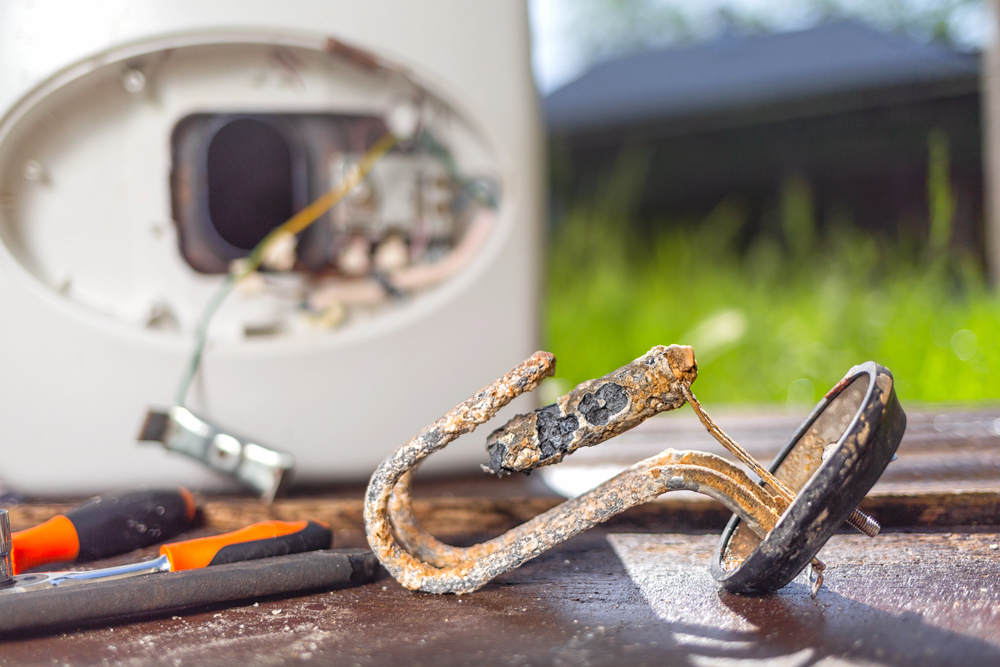
No one wants to think about water heaters. What we want is to just turn on the faucet and get hot water whenever we need it! Unfortunately, everything breaks down eventually, so here are a few signs that it might be time for a new water heater installation in your Northbrook, IL home. 6 Signs It's Time for a New Water Heater Installation more 1. Water Pressure Is Low Only on the Hot Side A lot of things can cause general low water pressure, but if you're getting plenty of cold water coming out and you only experience an issue with pressure when you try to get warm water, your heater could be the issue. Sediment tends to build up in the bottom of heaters, and this can compromise your water flow. 2. No Consistent Temperature If you're struggling to get that lovely blast of really hot water that you expect, or if you're in the shower and find the hot water frequently turns off, talk to a professional right away. Even if you can get the hot water to come back on again, this is usually a sign that something's going wrong. 3. Noises If you hear popping or banging sounds, this is a bad sign. It could mean that the unit is overheating, and what you're hearing is the metal expanding and contracting. 4. You're Always Making Repairs Maybe your heater works really well after it's been repaired, but you find that you're having to get it repaired more and more often. That starts to happen as anything wears out, and this problem is only going to get worse. It's typically more cost-effective in the long run to just get a new water heater. 5. Your Bills Are Up If you have an electric water heater, and your electric bills have gone up a lot, the water heater could be to blame. If there's nothing else that you can blame the increase on, then what may have happened is that sediment has built up in your hot water tank and is compromising the unit's ability to evenly heat all the water. 6. Leaks If you see water leaking around your hot water heater, it's definitely time to call us to see about a replacement. A water heater is supposed to be airtight, and once it starts leaking, it can start to cause a lot of damage. Get in the habit of checking the unit, as you want to be able to turn it off immediately if you notice leaking so you don't have any damage to the surrounding area. Call Your Northbrook, IL Hot Water Heater Experts At Bill's Plumbing and Sewer, we serve Northbrook, IL and surrounding areas. Our services are designed to solve even your biggest plumbing problems, and our techs have extensive experience with all kinds of heaters. We won't sell you a new one unless your old one really can't be fixed, but when the time comes, we have plenty for you to choose from. Contact Bill's Plumbing and Sewer today to get help.

Cook County Emergency Plumbers

What to Do During a Plumbing Emergency Before Help Arrives

Got a plumbing emergency on your hands? Call your Morton Grove, IL emergency plumbing service as soon as you can, and here are some reliable, practical steps you can take before your professional arrives. The priority is always safety first and then minimizing water damage. What to Do During a Plumbing Emergency Before Help Arrives more Assess the Situation Quickly Identify the source of the leak: Is it a burst pipe, an overflowing fixture, a leaking appliance, or a backup? If there's any water near electrical outlets, appliances, or gas lines, be very cautious. If the water contacts electricity or you smell gas, evacuate immediately and call emergency services. Do not enter any flooded areas if there's standing water near any outlets or even if you're not sure. Shut Off the Water Supply Locate and close your home's main water shut-off valve, if you can get to it safely. This is usually near the water meter and is often in the basement, crawlspace, garage, or outside near the street: wherever the main line enters the house. For localized issues like a single sink or toilet, use the individual shut-off valves under the fixture. After shutting off the main supply, open the lowest faucets in the house and any outdoor spigots to drain residual water from the pipes. This relieves the water pressure and keeps the last of the water in the pipes from leaking. Address Safety Risks If the water is near any electrical outlets, switches, or appliances, shut off all power to the house at the main circuit breaker panel, unless you know exactly which breaker controls the power in that specific area. If you're not sure, just shut it all off: always better safe than sorry. Never touch any wet electrical components. Call Morton Grove, IL Emergency Plumbing Service With the immediate danger past, call for emergency plumbing services right away. If you called the fire or gas company already, they'll come, of course, but they can't help you with the plumbing fixes. Contain the Water and Protect Your Home Once you know everything is safe and help is on the way, use buckets, towels, blankets, or a wet/dry shop vacuum to catch dripping water and mop up standing water immediately. Move your rugs, furniture, and valuables out of the affected area if possible. Document Everything Take photos or videos of the damage, the source of the problem, and all the affected areas. This will all be very helpful for your insurance claims. Then, clear the area around the problem so the plumber can access it easily. Tips for Preventing Emergencies You'll be able to avoid some emergencies if you regularly inspect your visible pipes and valves for corrosion and have your plumber come by for routine maintenance regularly. Keep an emergency kit with push-to-connect fittings, caps, hose clamps, and towels for common pipe sizes (½-inch and ¾-inch). Test your shut-off valves quarterly, as you don't want to find out their broken at the moment you most need them! For any plumbing emergency, contact Bill’s Plumbing and Sewer for help anywhere in Cook County and surrounding areas.

cook county toilet plumber.

Toilet Troubleshooting: Fixing the 3 Most Common Issues

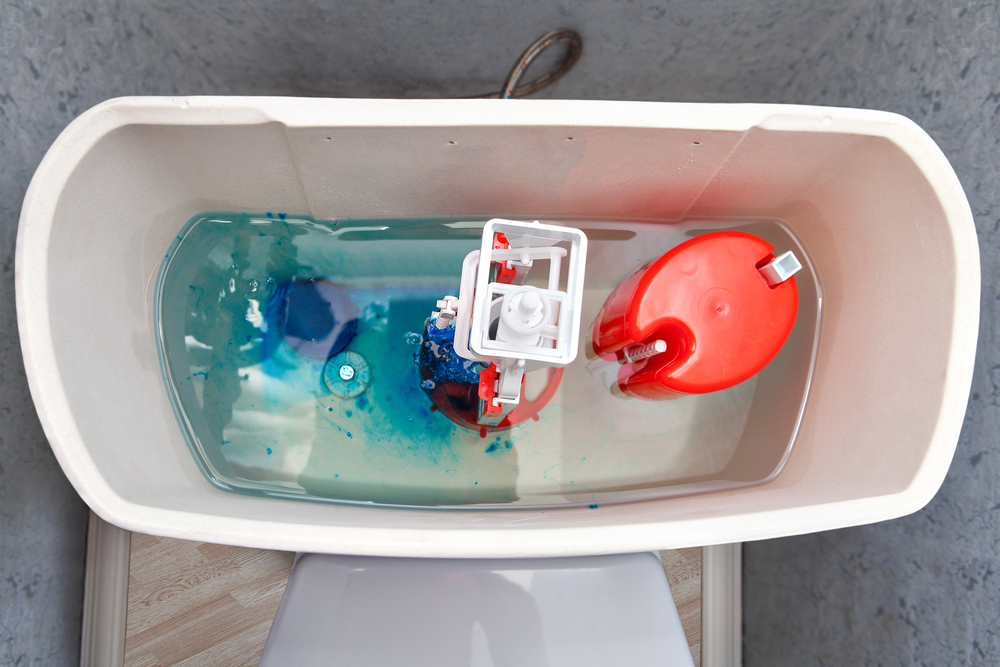
There are few things we need in our homes more than toilets, so when one goes down, it's very aggravating. Here are three of the most common issues and how to fix them, and if it's time for a new toilet installation for your Northbrook, IL home, call us at Bill's Plumbing and Sewer. Three Common Toilet Issues more Constant Running Most of the time, the culprit with a running toilet is a worn-out component inside the tank. It could be a flapper, which is that rubber seal that controls the water flow from the tank into the bowl, or you might have an improperly adjusted fill valve. Occasionally, the issue is that the float is misaligned. How to Fix To fix this, first turn off your water supply valve behind the toilet, flush the toilet to drain the tank, and then lift the lid and take a look at the flapper at the bottom. If it looks warped or cracked, gently remove it by detaching the chain from the flush handle arm and sliding it off the overflow tube pegs. Replace the old flapper with a new one. If that's not the issue, check the fill valve. If water continues trickling even after the tank is full, adjust the float by bending the metal arm slightly downward (for older models) or turning the adjustment screw (newer plastic ones) to lower the water level. Clogs Clogs are usually caused by excessive toilet paper or non-flushable items in the toilet. Fortunately, most clogs can be cleared without dismantling anything. How to Fix Get your home a flange plunger. This type has an extended rubber lip and is designed specifically for toilets to create better suction than a standard cup plunger. If the bowl doesn't have enough water in it, then fill it until it covers the plunger head. Position the flange directly over the drain hole and press down firmly to form a seal. Pump vigorously up and down for about 15 to 20 seconds, maintaining the seal to build pressure to dislodge the blockage. Pull up slowly on the last plunge to avoid splashing and check if the water drains. If it does, flush it once to test it. If not, repeat the process a few times. Don't use chemical drain cleaners on your toilet: they can damage the porcelain or your pipes. Weak Flushes Weak flushes are often due to low tank water levels or mineral clogs in the rim holes. How to Fix Remove the tank lid and observe the water level; it should sit about an inch below the overflow tube. If it's too low, adjust the float arm or screw to raise it. A loose chain connecting the handle to the flapper can also cause partial lifts, so shorten or lengthen it as needed. Another possibility is clogs under the rim of the toilet, which can happen if you've got hard water. Use a small mirror to inspect the tiny holes and gently poke each one with a straightened coat hanger or stiff wire to dislodge any buildup. Get New Toilet Installation in Northbrook, IL If you're ready for a new, trouble-free toilet, talk to us at Bill's Plumbing and Sewer in Northbrook, IL. We serve Issaquah and all of Cook County and surrounding areas.

Cook County Hose Bib Replacement and Repair

When and Why to Replace Your Outdoor Hose Bib

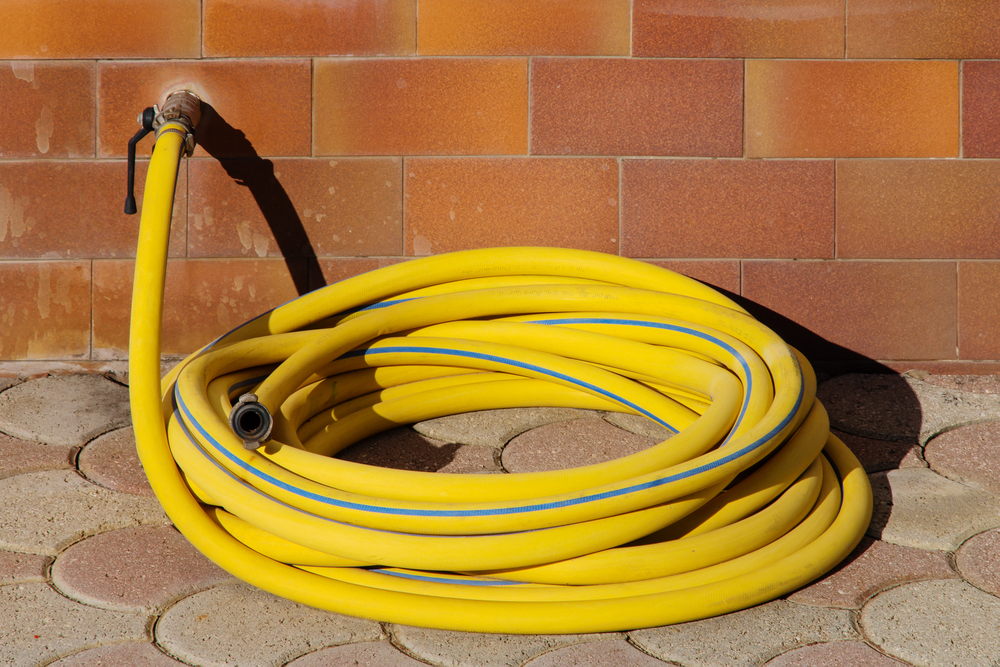
Outdoor hose bibs take a lot of wear and tear and exposure to weather here in Northbrook, IL. Knowing when to get a new hose bib installation done will save you a lot of headaches and money down the line. When and Why Hose Bib Installation in Northbrook, IL Is Important more Your outdoor hose bib, also called a spigot or sillcock, has to deal with constant use, weather exposure, and regular pressure changes. When you don't get it replaced in a timely fashion, you'll end up with wasted water and possibly even pipe damage. Signs There's a Problem A constant drip after you turn off the handle is going to waste hundreds of gallons a year and raises your water bill, so this is a problem that should be addressed. Water pooling around the base of the spigot or seeping from the connection to the house is your clue that the seals or washers inside have failed and need to be replaced If the handle feels stiff or it just won't turn smoothly, then it's likely some of the internal parts have worn out or corroded. Rust or green buildup on the body of the bib tells you the metal is breaking down, and our wet climate tends to exacerbate this issue. If you see cracks or visible damage, then be aware that the unit might not be able to hold pressure safely anymore. Finally, just think about the age of your hose bib. They're made to last at most 15 years, so if you're approaching that time, and especially if you're seeing other issues, it's time to get it replaced. Why Replacement Makes Sense If you've got a failing hose bib and haven't addressed it, you're going to experience ongoing frustration and costs. Leaks add up quickly on your monthly water bill, and the presence of constant moisture around the bib can rot wood siding, damage your foundation, or encourage mold growth near the house. In freezing conditions, a burst bib could leave you with indoor pipe damage, where the water then escapes into the walls or a crawl space. Repairing that is far more expensive than swapping out the outdoor unit. But beyond the dangers of using an old unit, there are also the benefits of having a new one. Modern bibs perform better than ever, and many now come in frost-free designs that extend the valve stem inside the house, where it stays warmer, to reduce the freeze risk. There are now anti-siphon features that can prevent backflow to keep your drinking water safe from garden chemicals or debris, and modern bibs simply turn more easily, give you better flow, and are up to code. Contact Us for Hose Bib Replacement Replacing your outdoor hose bib at the right time keeps your plumbing reliable and saves you money. Contact Bill's Plumbing and Sewer in Northbrook, IL, Glenview, Deerfield, Northfield and all surrounding areas in Cook County. We're a family-run business that's proud to provide reliable plumbing services for our community.

Commercial plumbing experts in Northbrook, IL

Top Plumbing Upgrades for Local Businesses

Plumbing might not be the first thing that comes to your mind when you think about running your business, but it's essential to your daily operations, customer satisfaction, and thus your bottom line. Talk to your Northbrook, IL commercial plumbing services professional to find out what options will be best for your space and keep reading for some general upgrades that are often helpful for a business. Top Plumbing Upgrades for Local Businesses more Water-Efficient Fixtures A simple but huge upgrade is to replace any standard water fixtures you have with water-efficient models. This might be sensor-activated faucets in a bathroom, dual-flush toilets with options for a full or partial flush, and fixtures that concentrate a water stream at a sink or shower so you can still get strong cleaning power but with less water usage. Items like this can enormously cut your water usage while still performing as they need to. Customers are often pleased by options like this, too, because fixtures that don't have to be touched promote hygiene by minimizing contact. Even better? Upgrading to these options could qualify you for rebates through programs like EPA WaterSense. Backflow Prevention Contaminated water poses a serious threat to any business. You're talking about the possibility of health issues, damage to your reputation, and even legal and regulatory penalties. A simple backflow prevention device, like a reduced pressure zone valve or double check assembly, will keep dirty water from irrigation systems or industrial processes out of the clean water supply. This is especially good for any business dealing with serious chemicals, such as an auto repair shop. Upgrading Pipes and Drainage Systems For any business in an older building, it's always worth investigating whether aging pipes and bad drainage are causing leaks that waste your money, clogs and backups that disrupt your day, and the constant need for expensive repairs. While it is an investment to upgrade your pipes and drains, transitioning to corrosion-resistant materials will fix these constant problems and also extend the lifespan of the entire system. If you use a lot of water, such as in a restaurant business, we can also install oversized drain lines that will improve the flow and reduce the likelihood that you're going to have an overflow during your busiest periods. Smart Technology It's 2025, and no home or business should be without a smart leak detection system. These systems can monitor your water usage and instantly let you know if anything is different from normal. This can protect you from small hidden leaks that not only waste your money but could also cause structural damage over time, and you can even get devices with automatic shut-off features that will stop the water flow if something big happens when no one is there. Northbrook, IL Commercial Plumbing Services To find out how your business could benefit from the right plumbing upgrades, contact Bill's Plumbing and Sewer or call us at 847-673-3045. We serve all of the larger Cook County area.

we do water line installation without digging.

How Horizontal Boring Can Save Your Yard During Plumbing Work in Northbrook, IL

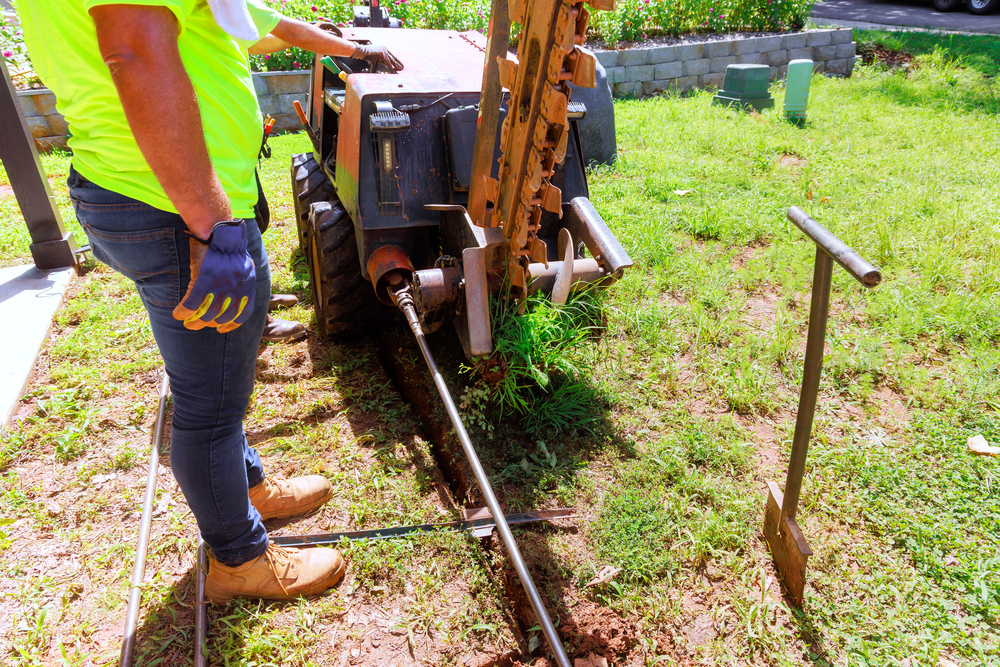
Northbrook homes are known for mature trees, established landscaping, and well-maintained yards. When a main water line or sewer pipe fails, many homeowners assume the repair will mean tearing up the lawn, driveway, or garden beds. Traditionally, that was true. Today, horizontal boring offers a way to replace underground pipes without destroying the property you’ve invested years maintaining. Bill’s Plumbing and Sewer uses horizontal boring, also called trenchless boring or directional drilling, to complete major plumbing work while keeping surface disruption to a minimum. How Horizontal Boring Works more Horizontal boring allows plumbers to install or replace underground pipes without digging a long trench across the yard. Instead of excavating the entire path, the work is done almost entirely below ground. The process starts by setting up a compact drilling rig in a small access area, usually near the street or foundation. A pilot hole is drilled underground at a controlled angle, following the path of the existing pipe or a new route that avoids obstructions. Once the pilot hole reaches the endpoint, a larger reamer is pulled back through the soil while the new pipe is installed at the same time. In most cases, the job requires only two small access points. Everything between those points stays intact. Why Horizontal Boring Makes Sense for Northbrook Properties Preserving Landscaping and Lawns Many properties throughout Cook County feature sloped yards, decorative stonework, irrigation systems, and established plantings. Traditional trenching cuts through all of it. Restoring a yard after excavation can add thousands of dollars to a repair project. Horizontal boring avoids that damage and helps protect both landscaping and soil stability. Protecting Mature Trees Large trees are common throughout Northbrook neighborhoods, and their root systems often spread wide and shallow. Open trench excavation severs those roots and can permanently damage or kill a tree. Horizontal boring typically runs several feet below the root zone, reducing the risk to trees that would otherwise be lost. Faster, Cleaner Projects Trenchless boring usually takes less time than traditional digging. There is less soil to manage, fewer disruptions, and less risk of delays due to weather. In a region where rain and seasonal ground conditions can complicate excavation, minimizing surface work keeps projects moving. When Horizontal Boring May Not Be the Right Option While horizontal boring is a strong solution in many situations, it is not always the best choice. Extremely rocky soil, unusually long pipe runs, or services with multiple sharp turns can make boring more complex or less cost-effective. Very shallow pipes located directly beneath concrete may still require limited excavation. Before recommending trenchless work, Bill’s Plumbing and Sewer evaluates the property, soil conditions, and pipe layout. In some cases, a small test pit may be needed to confirm whether boring is the right approach. Choosing the Right Method for Your Plumbing Repair Not every plumbing problem requires trenchless technology, but when it does, the benefits are significant. Horizontal boring allows critical water line and sewer repairs to be completed while protecting the yard, trees, and hardscaping that make Cook County homes valuable and enjoyable. To find out whether horizontal boring is the right solution for your water or sewer line issue, contact Bill’s Plumbing and Sewer in Northbrook, IL. Our team will evaluate your situation and explain the best option for your property before work begins.

HVAC troubleshooting in Northbrook

How to Repair a Furnace: A Practical Guide for Homeowners

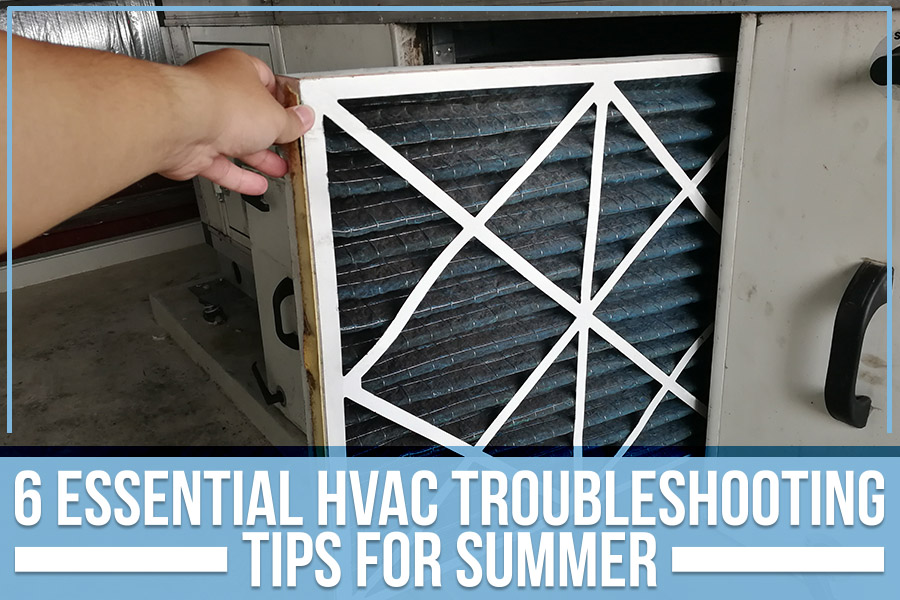
When a furnace stops working, panic usually follows—especially during a Northbrook winter. Many breakdowns come from a few predictable issues, and some basic checks can be done safely before calling for professional furnace repair. This guide walks you through simple troubleshooting steps and explains when it is time to contact Bill’s Plumbing & Sewer, your local expert for furnace repair near me in Northbrook, IL. Whether the problem is a noisy system, poor airflow, or a furnace that will not start at all, this tutorial helps you understand what is happening and what you can do about it—up to the point where a trained furnace repair technician should step in. Start with the Basics: Simple Furnace Troubleshooting more Before assuming the worst, it makes sense to rule out small, common issues. Many calls for heating furnace repair begin with problems that do not require major work. Check the Thermostat Confirm the thermostat is set to HEAT. Increase the set temperature by a few degrees. Replace the batteries if the display is dim or blank. A large share of “no heat” situations start and end at the thermostat. Verify the Furnace Power Switch Most furnaces have a wall switch that looks like a regular light switch. If it is off, the furnace will not run. Turn it on and give the system a few minutes to respond. Inspect the Air Filter A clogged filter can overheat the system, reduce airflow, and trigger a shutdown. If the filter is dirty, replace it. This simple step protects the system and often restores normal operation without further furnace repair. Try a Single Reset Some gas and oil furnaces have a reset button that will lock out the burner for safety. Press the reset button only once. If the furnace still will not run, avoid repeated resets and move on to deeper diagnosis or professional help. Common Furnace Problems and What They Mean Not every problem is safe to handle on your own, but understanding the most common failure points helps you make better decisions. These are typical furnace parts that often require repair or replacement: Furnace ignitor Flame sensor Draft inducer motor Furnace blower motor Limit switch Burner assembly Furnace control board Heat exchanger Gas valve Furnace capacitor Ignitor Failure If the ignitor fails, a gas furnace will not light. You may hear clicking but see no flame. Ignitors are fragile and run at very high temperatures. This is not a good candidate for DIY work; replacement is best handled by a qualified gas furnace repair technician. Blower Motor Problems Weak airflow, no airflow, humming sounds, or a burning smell can point to a failing blower motor. Furnace blower motor repair often involves electrical testing and motor replacement. This type of work should be done by a professional due to the electrical and mechanical risks involved. Dirty Flame Sensor The flame sensor confirms that the burner has lit. If it becomes coated with residue, the furnace may light briefly and then shut off. Basic cleaning procedure: Turn off power to the furnace. Remove the flame sensor carefully. Gently clean it with fine steel wool. Reinstall and restore power. If the furnace now stays on, the issue was likely limited to the sensor. If not, professional heating furnace repair is the next step. Oil Furnace Issues With oil furnace repair, clogged nozzles, dirty burners, or fuel delivery issues are common. You can confirm the oil tank is not empty and change an accessible filter, but nozzle cleaning, burner adjustment, and combustion testing require specialized tools and training. Those jobs belong in the hands of an experienced technician. How Much Does Furnace Repair Cost? The f urnace repair cost depends on the failed part and the complexity of the work. Minor repairs often fall in a lower price range, while major repairs such as blower motor replacement, control board replacement, or extensive gas furnace repair can be more costly. Oil systems can be slightly more expensive to service than basic gas furnaces, especially if burner components or venting need work. When you search for furnace repair near me or gas furnace repair near me, the most important factor is choosing someone who can diagnose the issue correctly the first time. A misdiagnosed problem can quickly make any repair more expensive than it needs to be. When to Call a Furnace Repair Technician Some issues are reasonable to inspect on your own. Others call for professional help to keep your home safe. A licensed furnace repair technician should handle the problem when: You smell gas or suspect a leak. The furnace short-cycles or turns on and off rapidly. The blower never turns on or never turns off. You hear grinding, scraping, or metal-on-metal noises. The breaker trips when the furnace runs. There is visible water around the base of the furnace. You suspect a cracked heat exchanger or carbon monoxide risk. These are not simple fixes. They involve combustion, fuel lines, high voltage, or venting. In these cases, the right move is to bring in a company that regularly handles heating furnace repair and full system diagnostics. Who to Call for Furnace Repair in Northbrook, IL When the problem goes beyond filter changes and thermostat resets, Bill’s Plumbing & Sewer is the team to contact. If you are wondering who can repair your furnace safely, efficiently, and honestly, our technicians provide complete furnace repair services, including: Emergency furnace repair in Northbrook and surrounding areas Gas furnace repair and safety checks Oil furnace repair and burner service Blower motor diagnostics and replacement Ignitor and flame sensor replacement Annual maintenance to reduce breakdowns and extend system life Furnace replacement when repair is no longer cost-effective Our role is to take over when the repair becomes too technical, too risky, or simply too frustrating to handle alone. We explain what failed, what it will take to correct it, and whether repair or replacement is the better investment for your home. When the Furnace Gets Complicated, Bill’s Plumbing & Sewer Can Help Basic troubleshooting can solve a surprising number of minor furnace problems. When the issue becomes mechanical, electrical, or fuel-related, it is time to call a professional. If your system will not run, is making concerning noises, or keeps shutting down, our team is ready to help. For reliable furnace repair and heating furnace repair in Northbrook, IL, contact Bill’s Plumbing & Sewer today. We are here to restore your heat, protect your home, and keep your family comfortable all season long.

Portrait,Of,A,Diverse,Couple,Sitting,At,The,Table,At

Most Valuable Items in a Water Damage Claim

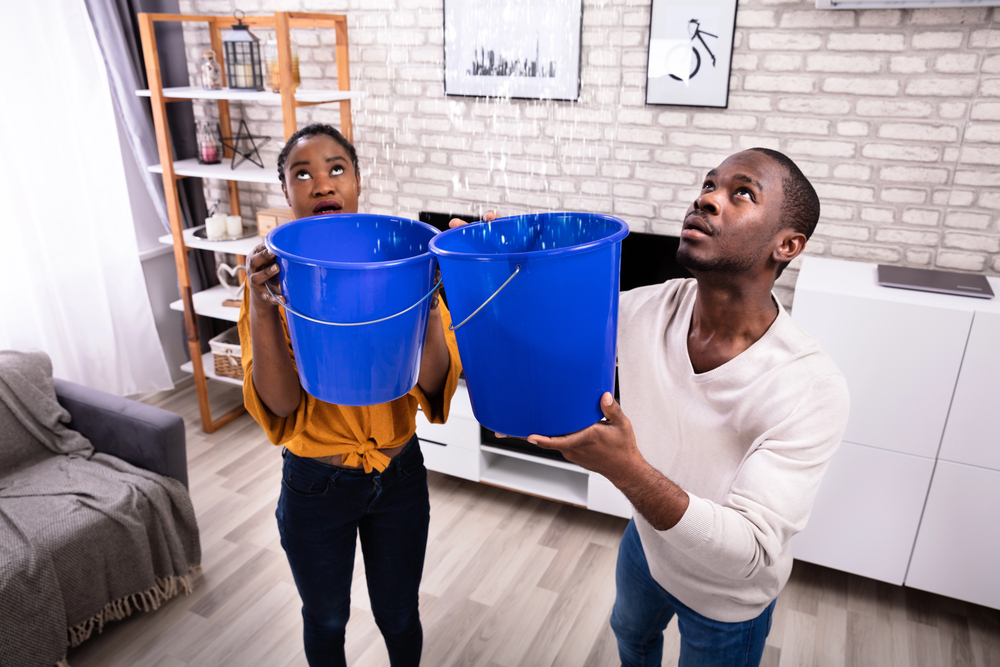
When filing a water damage claim, it’s important to understand which items hold the most value. Properly identifying and documenting these items ensures fair compensation for your losses. Laptops and Phones: Expensive, especially for high-end models. Document the make, model, and condition. Major Appliances: Washing machines, refrigerators, and dryers are costly to replace. Keep purchase dates and feature details. High-Quality Furniture: Wooden furniture and upholstery can suffer severe water damage. Include receipts, appraisals, and photos. Rugs and Carpets: Expensive to replace, especially for rare or handwoven rugs. Document value and condition. Clothing: High-end or designer clothing can be damaged beyond repair. Include valuable items in your claim. Jewelry: Often the most valuable item in a claim. Keep receipts and appraisals for accuracy. Legal Documents: Important papers like contracts, tax records, and wills can be destroyed by water. Back them up if possible. Personal Effects: Sentimental items like family photos or artwork should be included in the claim. Walls and Flooring: Water can warp or destroy flooring and walls, which can be costly to repair. Document damage fully. Roof and Foundation: Leaks from roof or foundation issues often lead to expensive repairs. These should be addressed in your claim. Power Tools: Construction or home improvement tools can be expensive. Keep receipts and maintenance records. Other Equipment: Don’t forget about expensive machinery or hobby-related equipment that may be damaged. How to Fill Out a Water Damage Claim Accurate documentation is key when filing a water damage claim. Start by listing all damaged items with detailed descriptions, photos, and estimated repair or replacement costs. Specify the cause of the damage—whether it was a burst pipe, storm, or flooding—and include dates and any repair professional correspondence. When submitting your claim, include all necessary supporting documentation. The insurance company may send an adjuster to inspect the damage. Make sure all documentation is organized and ready for review. Keep receipts or appraisals for valuable items. Why Some Claims Are Denied Incomplete Documentation One of the most common reasons claims are denied is incomplete documentation. If you fail to provide detailed descriptions, photos, or proof of the damage, the insurance company may not have enough evidence to process your claim. Missing receipts, missing photos of damaged items, or inaccurate descriptions can lead to delays or denials. Always make sure you document everything thoroughly, including the condition of your property before and after the damage. This step is essential to ensure that you’re compensated fairly for your losses. Non-Covered Damage Water damage can occur from various sources, but not all of them are covered by every policy. For instance, if the damage is caused by flooding from an external source, your claim may be denied unless you have flood insurance, as many home insurance policies do not cover flooding. Similarly, if the water damage results from an unmaintained appliance or a plumbing issue that wasn’t properly addressed, the insurance company may deem it to be preventable, resulting in a claim denial. It’s crucial to fully understand the exclusions in your policy to avoid surprises and ensure that you're only filing claims for covered damages. Improper Repairs If you make repairs before the insurance adjuster has assessed the damage, your claim may be voided. Insurance companies typically want to inspect the damage before any repairs are made to assess the extent of the loss. Making repairs without their approval can be seen as tampering with the scene, which could invalidate the claim. Always wait for an adjuster’s inspection before taking steps to fix the damage. Doing so ensures that you have proper documentation for your claim. Policy Limitations Even if you believe you are fully covered, certain types of damage or items may not be included in your policy. For example, some policies exclude damage from specific water sources, like sewer backups or floodwater from external sources. Additionally, items such as expensive jewelry or high-end electronics may have coverage limits, meaning you won’t be compensated for their full value unless specified in your policy. Always review your policy before filing a claim to ensure that you're aware of any limitations, exclusions, or caps on coverage. Still cleaning up after a flood? Schedule service online or call us today at 847-673-3045 to get you home back up and running.

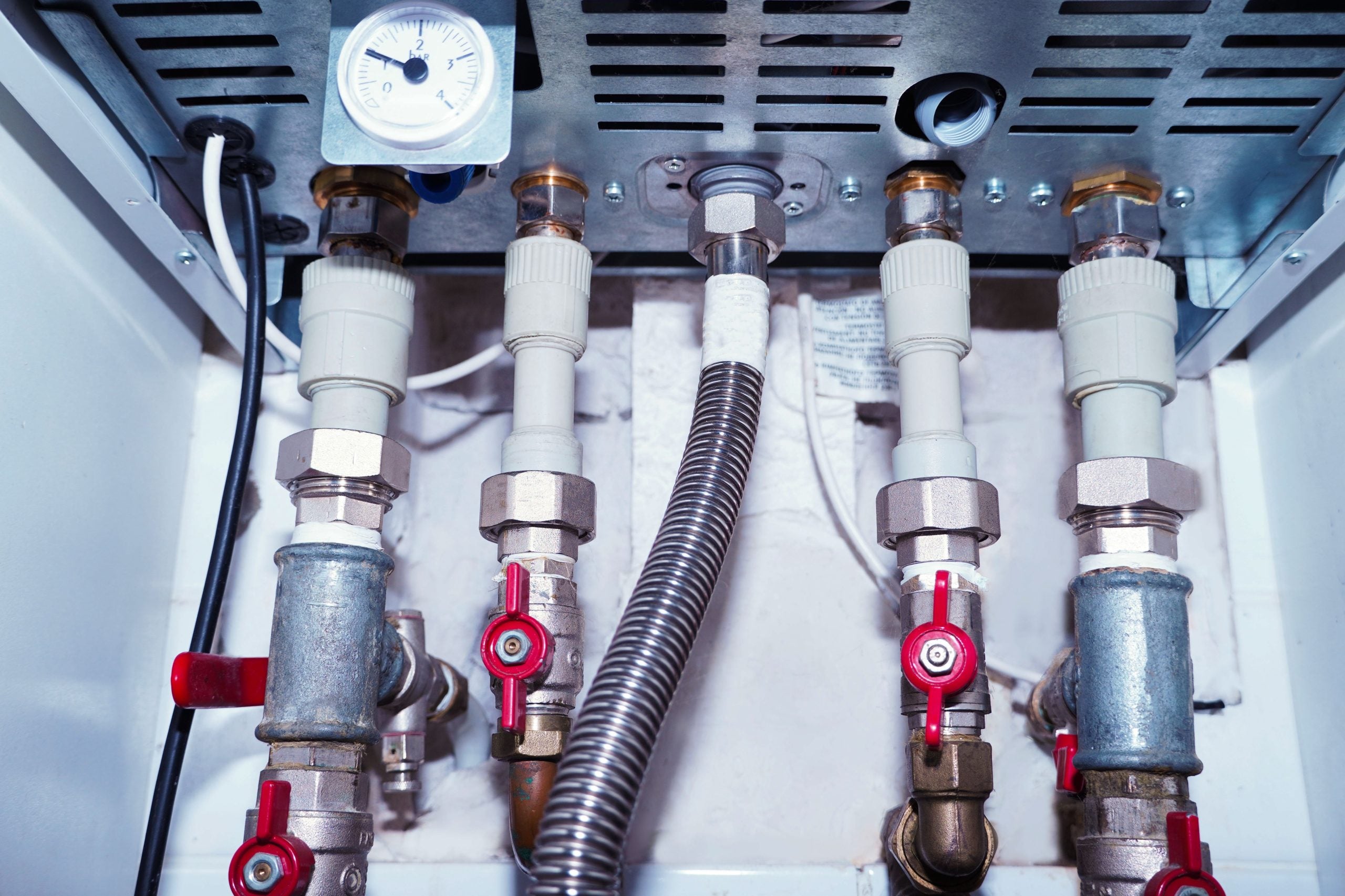
Plumbing,Connections,Of,A,Modern,Domestic,Double-circuit,Gas,Boiler,,Water

7 Common Plumbing Problems (and How to Fix Them at Home)

1. Leaky Faucets A leaky faucet may seem like a minor inconvenience, but over time, it can add up to a significant waste of water and money. Leaks usually happen when washers or seals inside the faucet become worn out. These tiny parts can be replaced, but the real challenge is figuring out what’s causing the leak in the first place. When you notice a constant drip from your faucet, it’s likely due to a worn-out washer or O-ring inside the faucet valve. The rubber or plastic washers wear down over time, allowing water to escape and create that annoying drip. Fortunately, fixing this issue isn’t too complicated. Start by turning off the water supply to the faucet and removing the handle to access the valve. Inspect the washers and O-rings; if they appear damaged, replacing them will often stop the leak. Once you've replaced the parts, reassemble the faucet, turn the water supply back on, and test for leaks. It’s a simple fix that can prevent unnecessary water waste and lower your utility bills. 2. Clogged Drains Clogged drains are an all-too-familiar household problem. They can occur for many reasons, such as soap, grease, food particles, or hair building up in the pipes. Sometimes the clog can be resolved with a simple solution, while other times it requires a more detailed approach. For small, localized clogs, you can start by using a plunger. This common tool works by using air pressure to dislodge blockages in the pipe. If that doesn’t work, you can try a drain snake, which is a coiled metal wire that you insert into the drain to physically break up or pull out the clog. Alternatively, a mixture of baking soda and vinegar followed by hot water can break down minor blockages and clean the pipes. If the drain remains clogged, it could be an indication that there is a more serious buildup farther down the pipe, requiring a professional-grade auger or snaking tool to clear it out. Preventing clogs in the first place is key. Consider using drain covers to catch hair or food debris, and avoid pouring grease down the drain, as it can solidify and cause further blockages. Regularly flushing your drains with hot water can also help keep things flowing smoothly. 3. Running Toilet A running toilet is one of the most frustrating plumbing problems because it wastes both water and money. When the toilet continues to run after being flushed, it’s typically caused by issues with the internal components of the toilet tank. The most common culprit is a faulty flapper valve, which controls the flow of water into the bowl. If the valve doesn’t seal properly, water will continuously leak into the bowl, leading to the running sound. Other potential causes include a misaligned float or a malfunctioning fill valve. The first step in fixing a running toilet is to turn off the water supply to the toilet. After that, remove the tank lid and inspect the flapper, float, and fill valve. If the flapper valve appears worn or warped, it can be replaced easily. Adjust the float if it seems too high or low, which affects the water level in the tank. If the fill valve is malfunctioning, it might need a replacement. These parts are generally affordable and can be found at most hardware stores. Once everything is in place, turn the water back on and check for leaks or the continued running of water. 4. Low Water Pressure Low water pressure is another common issue that homeowners face. A sudden drop in water pressure can make showering, washing dishes, or doing laundry a tedious task. The cause could be something as simple as a clogged aerator on the faucet, or it could indicate a more serious issue such as a leak in your plumbing or a problem with the water supply. If only one faucet is affected, the problem is likely with the aerator. The aerator is a small screen at the end of the faucet that controls the flow of water. Over time, mineral deposits can build up, restricting water flow. Unscrewing the aerator and cleaning it with vinegar usually solves the problem. However, if the low pressure is widespread, it could be due to pipe corrosion, leaks, or issues with the water supply line. You may need to call in a professional plumber to diagnose and fix the issue if it’s not isolated to a single fixture. In the meantime, you can increase the pressure temporarily by adjusting the pressure regulator, which controls the water pressure for the entire system. If the regulator is faulty, replacing it can restore normal water pressure. 5. Burst Pipes Burst pipes are one of the most serious plumbing issues that can lead to extensive water damage in your home. This problem is especially common in colder climates, where pipes freeze and crack during winter. Other factors such as age, poor maintenance, or tree roots growing into the pipes can also cause pipes to burst. If you discover a burst pipe, it’s crucial to act quickly. First, turn off the main water supply to prevent further flooding. If the pipe is frozen, carefully thaw it out using a hairdryer or space heater (never use an open flame). Once the pipe is thawed, inspect it for cracks or breaks. For small cracks, you can temporarily seal the pipe with pipe repair tape, but a burst pipe may require replacing a section of the pipe entirely. In some cases, a professional plumber will need to fix the issue if the damage is too severe. 6. Water Heater Issues Water heater problems are something most homeowners will face at some point, whether it's not producing hot water, making strange noises, or leaking. Common causes include sediment buildup in the tank, a broken heating element, or a malfunctioning thermostat. If you notice that your water heater isn’t providing enough hot water, the first step is to check the thermostat. Ensure that it's set to the correct temperature, around 120°F, as higher settings can cause overheating or energy waste. Sediment buildup at the bottom of the tank is a frequent cause of water heater malfunctions. To address this, turn off the water and power supply, and then drain the tank to remove sediment. If the water heater is making popping or crackling noises, it’s often a sign of mineral buildup, and draining the tank will likely solve the problem. In more severe cases, the heating elements may need to be replaced, or you may need to install a new water heater if yours is too old or damaged to be repaired. 7. Sewer Line Problems If your toilet and/or drains are backing up with sewage, there’s a major obstruction somewhere in the main sewer line. Tree roots, grease buildup, and pipe collapse are the usual culprits. If you suspect a sewer line blockage, avoid using sinks or toilets to prevent any further waste from backing up. While minor blockages can sometimes be cleared using a plumbing snake or auger, most sewer line problems require professional intervention. A plumber can inspect the line with a camera to locate the blockage and either clear it or replace the damaged pipe. In some cases, tree roots may need to be removed, or the entire sewer line might require replacement to restore proper flow.

Contact Us

Fill out this form below and we'll contact you shortly
*Required Fields